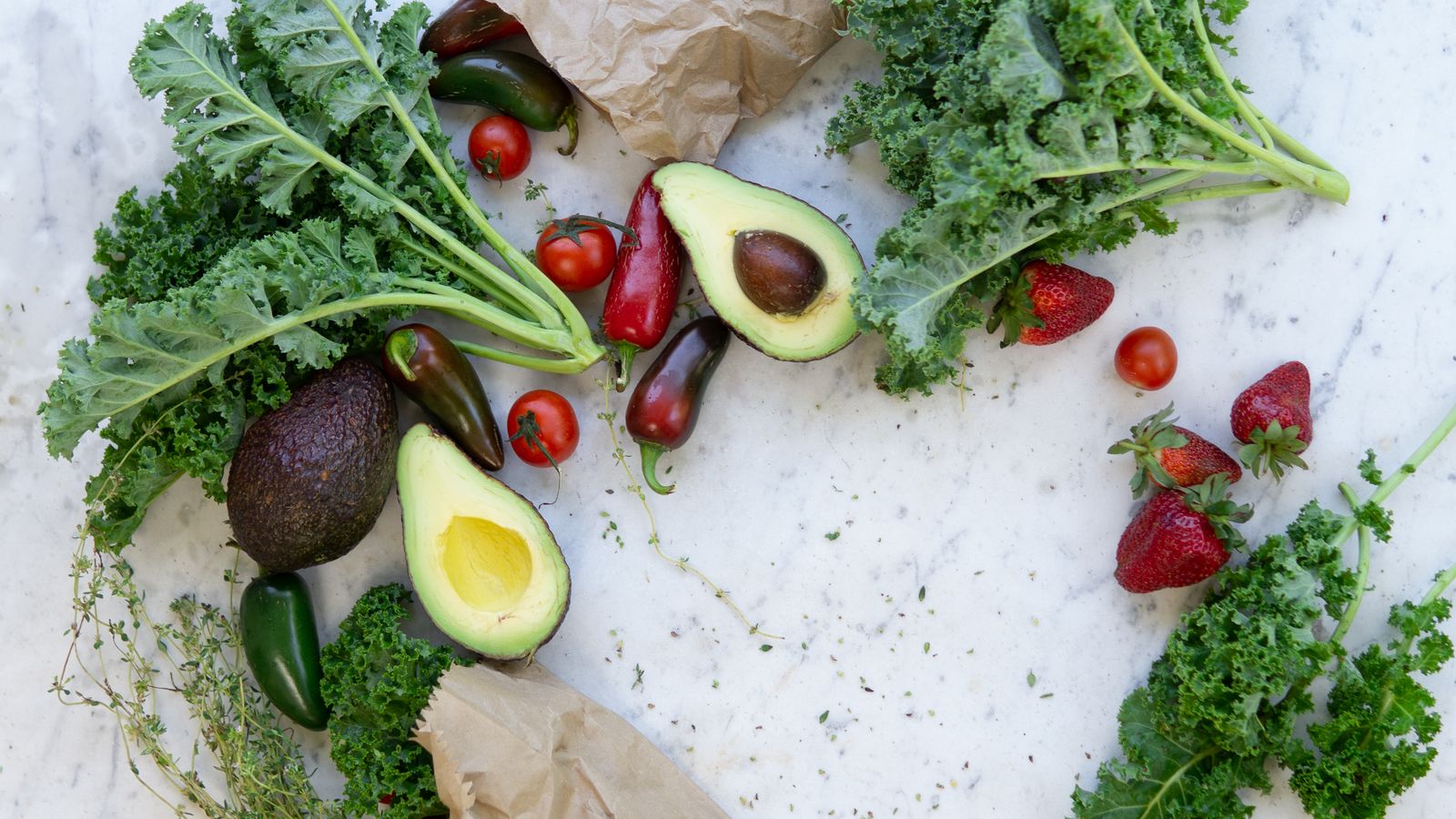
After gallbladder removal, eat small, low-fat meals at first and reintroduce foods gradually. Favour lean proteins, cooked vegetables, whole grains and fruit, while limiting fatty, fried and very greasy foods. Most people return to a normal, balanced diet within a few weeks as their digestion adjusts to living without a gallbladder.
After your gallbladder is removed, one of the most common questions is what you can safely eat. The good news is that you do not need a gallbladder to live well, and most people return to a normal, balanced diet within a few weeks. The key is to make the transition gently, giving your digestive system time to adjust to its new way of handling fat.
Your gallbladder used to store bile and release a concentrated burst of it when you ate a fatty meal. Without it, your liver still makes bile, but the bile now drips more steadily into your intestine rather than arriving in one large dose. This usually works perfectly well — but in the early weeks it can mean that large or very fatty meals are harder to digest. This guide explains what to eat, what to limit, and how to build back to normal eating comfortably. Many people are recovering from surgery for gallstones, and good eating habits support that recovery.
What should you eat right after gallbladder surgery?
In the first days after surgery, keep meals small, light and low in fat. Start with easily digested foods such as clear soups, rice, toast, bananas, plain yoghurt, boiled potatoes and lean protein. Drink plenty of water, and eat several small meals rather than a few large ones. Reintroduce your usual foods gradually over the following days and weeks as your digestion settles.
Think of the first week as a gentle reset. Your body has just had an operation, your appetite may be reduced, and heavy or greasy food can feel uncomfortable. Simple, bland, familiar foods are easiest to tolerate. There is no need to starve yourself of nutrition — you still need protein and energy to heal — but keep portions modest and let hunger guide you. As the days pass, you can slowly add more variety and richer foods, paying attention to how each one makes you feel.
A common worry is whether you can eat traditional Nepali meals such as dal bhat. In most cases you can, with small adjustments: go easy on the oil and ghee, choose lighter vegetable and lentil preparations over heavily fried items, and start with smaller portions. Familiar, home-cooked food is often gentler on your system than rich restaurant meals, so there is usually no need to completely abandon the dishes you enjoy.
Which foods are easiest to digest in the early weeks?
In the early weeks, the easiest foods are lean and low in fat: skinless chicken or fish, eggs, lentils and beans, well-cooked vegetables, whole grains like rice and oats, and soft fruits such as bananas and apples. Low-fat dairy, clear soups and plenty of water are also gentle on your digestion while your body adjusts.
Cooking methods matter as much as the food itself. Steaming, boiling, grilling and baking are kinder to your stomach than frying. Building meals around the gentle foods below, and adding fibre gradually rather than all at once, helps prevent bloating and keeps your bowels comfortable while everything settles down.
Protein deserves a special mention, because your body needs it to heal after surgery. Lean sources such as fish, skinless chicken, eggs, lentils and beans give you what you need without a heavy load of fat. Pairing a modest portion of protein with well-cooked vegetables and a whole grain makes a balanced, easily digested plate that supports recovery while keeping your digestion settled.
- Lean proteins: skinless chicken, fish, eggs, lentils (dal) and beans
- Whole grains: rice, oats, whole-wheat roti and bread
- Cooked or soft vegetables, added gradually to build fibre
- Soft fruits such as bananas, apples and papaya
- Low-fat dairy or yoghurt in modest amounts
- Clear soups, broths and plenty of water throughout the day
Which foods should you limit or avoid at first?
In the first weeks, limit fatty, fried and greasy foods, which are the hardest to digest without a gallbladder. Go easy on deep-fried snacks, fatty meats, rich curries and gravies, full-fat dairy, creamy or oily sauces, and very spicy dishes. Large meals, too much caffeine, fizzy drinks and alcohol can also cause discomfort while your body adjusts.
One important point of balance: low-fat does not mean no-fat. Your body still needs some healthy fat to absorb certain vitamins and stay well, so the aim is to moderate fat rather than cut it out entirely. Small amounts of healthier fats — such as those in nuts, seeds, fish and a little cooking oil — are usually well tolerated once the early weeks have passed. It is very large or greasy amounts of fat in one sitting, not fat itself, that tends to cause trouble.
You do not necessarily have to give these foods up forever — most people can enjoy them again in moderation once their digestion has settled. The point is to reintroduce them slowly and in small amounts, rather than eating a large, rich meal soon after surgery and risking bloating, cramping or loose stools. Everyone is different: you may find one or two specific foods consistently upset you, and simply eating less of those is the sensible response.
It also helps to slow down at mealtimes. Eating quickly, or eating a very large plate in one sitting, can overwhelm your digestion in the early weeks. Chewing thoroughly, pausing between mouthfuls, and stopping when you feel comfortably full rather than overly stuffed all make a real difference. These small habits are easy to adopt and they reduce bloating, wind and discomfort while your body finds its new rhythm.
- Deep-fried and heavily oily foods, such as samosas, pakoras and chips
- Fatty cuts of meat, skin, and very rich or creamy curries
- Full-fat dairy, butter, ghee and creamy sauces in large amounts
- Very spicy dishes, which can irritate a settling digestive system
- Large portions — favour smaller, more frequent meals instead
- Excess caffeine, fizzy drinks and alcohol in the early weeks
Why do some people get diarrhoea or loose stools after surgery?
Some people experience loose or more frequent stools after gallbladder removal because bile now flows continuously into the intestine instead of being released in controlled bursts. Extra bile reaching the bowel can loosen stools, especially after fatty meals. This is usually mild and improves within a few weeks to months as the body adapts, and a sensible low-fat diet helps.
If loose stools bother you, eating smaller, lower-fat meals and increasing soluble fibre — from foods such as oats, bananas and cooked apples — can help firm things up and slow digestion a little. Staying hydrated is important if you are having frequent bowel movements. For most people this settles on its own with time and small dietary adjustments. If it is severe, persistent, or interfering with your daily life, it is worth discussing with your surgeon, who can offer further advice.
It can help to identify which specific foods trigger symptoms for you. Very fatty or fried foods are the most common culprits, and some people find that caffeine, very spicy dishes, or large meals make things worse. By eating mindfully and noticing patterns, you can usually pinpoint and moderate the few foods that cause trouble, rather than restricting your diet unnecessarily. This kind of gentle self-observation is one of the most useful tools during the adjustment period.
How do you gradually return to a normal diet?
Return to a normal diet by reintroducing foods one at a time and in small amounts, noticing how each one affects you. Over a few weeks, most people find they can eat a full, balanced diet again, including moderate amounts of fat. Keep meals reasonably sized, spread across the day, and continue to favour cooking methods like grilling and steaming over frying.
A helpful approach is to keep a simple mental or written note of any food that reliably causes discomfort, so you can enjoy it less often or in smaller portions. Most people are pleasantly surprised by how normal their eating becomes. A balanced diet with plenty of vegetables, fruit, whole grains and lean protein is not only easy to digest — it supports your overall health and recovery. If your surgery was for gallstones, understanding your condition through our guide to gallstones can help you appreciate why these habits are worthwhile.
There is rarely a need to buy special products or expensive 'digestive' foods. The most reliable approach is simply ordinary, home-cooked meals built around fresh ingredients, cooked with less oil, and eaten in sensible portions. If you are ever unsure whether a particular food is causing problems, the safest method is to leave it out for a few days and then try a small amount again, watching how you respond. Over time, this trial-and-error settles into an easy, natural way of eating.
What are some practical eating tips for the long term?
For the long term, eat regular, balanced meals, keep portions moderate, and include plenty of fibre from vegetables, fruit and whole grains. Choose grilled, steamed or baked foods over fried ones most of the time, stay well hydrated, and enjoy richer foods in moderation. These simple habits keep digestion comfortable and support your general health for years to come.
A few easy routines can make life without a gallbladder effortless. Keeping these principles in mind, rather than following a rigid list of banned foods, gives you a flexible, sustainable way of eating that fits everyday life in Nepal and beyond:
- Eat several smaller meals across the day rather than one or two large ones
- Keep meals mostly low in fat, saving richer dishes for occasional treats
- Include fibre-rich vegetables, fruit and whole grains for steady digestion
- Favour grilling, steaming, boiling and baking over deep frying
- Drink water regularly through the day, especially in hot weather
- Notice and moderate the specific foods that reliably upset you
Most people find that within a couple of months, eating without a gallbladder feels entirely natural and requires little special thought. The habits you build during recovery — smaller meals, more vegetables, less deep-fried food — are exactly the habits that support good digestive health anyway. If you have ongoing digestive symptoms, are unsure which foods suit you, or want personalised guidance, you can always book a consultation for tailored advice.
Remember that a diet guide like this describes what is typical for most people, not a rule that fits everyone. If you have diabetes, high cholesterol, another digestive condition, or specific cultural or religious dietary needs, your ideal plan may look a little different. A doctor or dietitian can help you tailor these general principles to your own health, so that eating remains both comfortable and genuinely good for you in the long run.
This article provides general educational information and is not a substitute for professional medical or dietary advice tailored to you. Individual needs vary, and your surgeon or dietitian's guidance always takes priority. If you are recovering from gallbladder surgery and have questions about your diet or digestion, or if symptoms concern you, please book a consultation with Dr. Sujan Shrestha for personalised care.