Incisional Hernia
A bulge that pushes through the weakened scar of a previous abdominal operation.
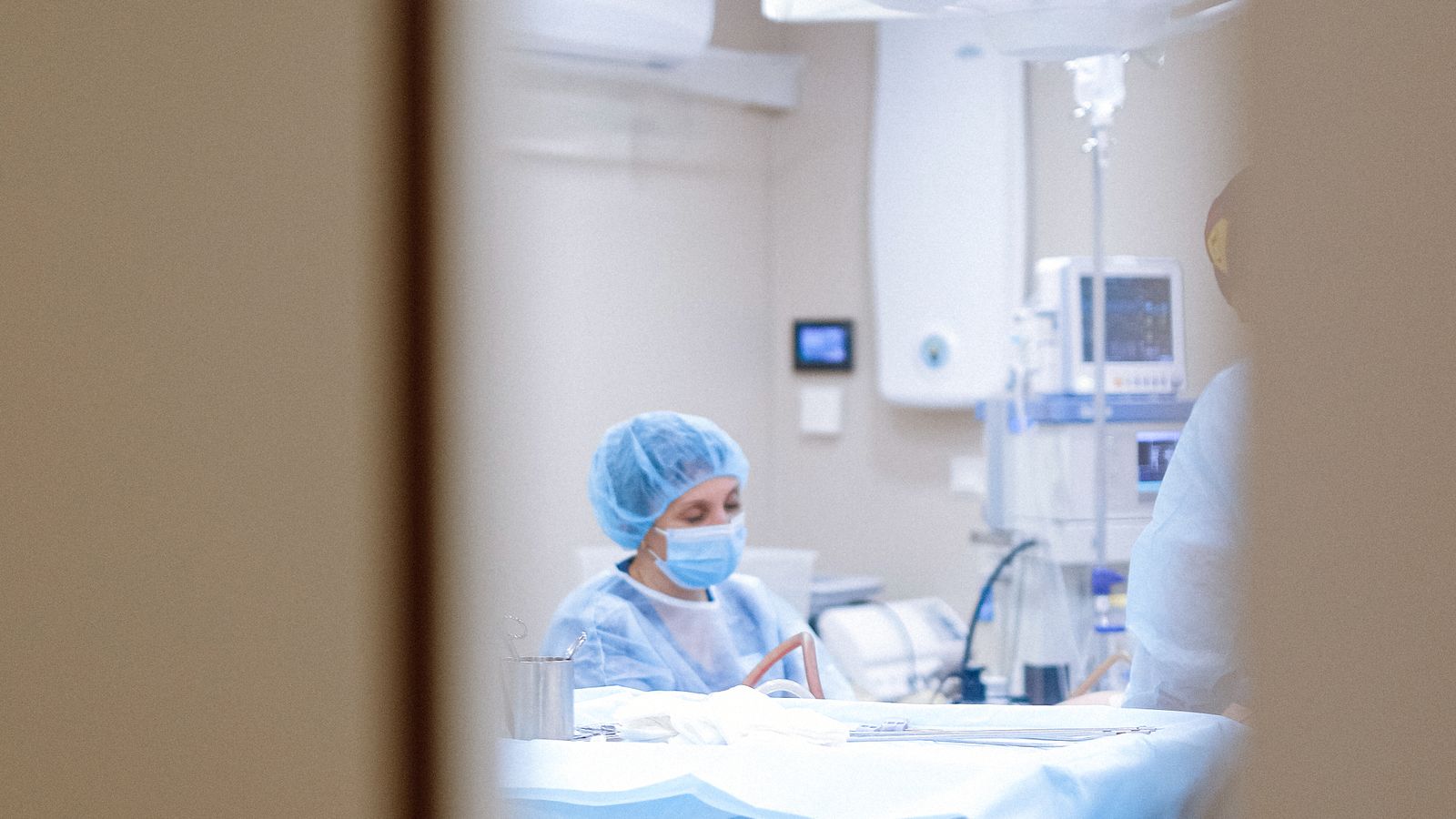
An incisional hernia is a bulge that develops at or near the scar of a previous abdominal operation, where the healing wound has left a weak spot. Tissue or bowel pushes through this gap, causing a lump and discomfort. It does not heal on its own and is treated with surgical repair, usually reinforced with mesh.
An incisional hernia develops at the site of an earlier abdominal operation, when the surgical scar does not heal at full strength and the wall gives way. It can appear months or even years after the original surgery and tends to enlarge over time. Because the tissue here is already weakened, these hernias are best assessed and repaired by a surgeon experienced in abdominal wall reconstruction.
इन्सिजनल हर्निया भनेको पहिले गरिएको पेटको शल्यक्रियाको खत (चोट) कमजोर भई त्यहीँबाट आन्द्रा वा तन्तु बाहिर निस्केर डल्लो देखिने अवस्था हो, जसको उपचार शल्यक्रियाबाट गरिन्छ।
Understanding Incisional Hernia
When the abdomen is opened for surgery, the muscle layers are stitched back together and normally heal into a strong scar. Sometimes that healing is incomplete — because of infection, tension on the wound, or factors such as obesity or diabetes — leaving a gap in the wall beneath the skin scar. Abdominal contents can then push through this gap, forming a bulge known as an incisional hernia.
The bulge often appears when you stand, cough or strain and may flatten when you lie down. Over time the defect can widen and the hernia can grow, which is why an incisional hernia does not resolve on its own and generally becomes harder to repair the longer it is left.
Symptoms
- A bulge or swelling at or near a previous surgical scar
- A lump that grows on standing, coughing or straining and eases on lying flat
- Aching, pulling or dragging discomfort around the scar
- A feeling of pressure or heaviness in the abdomen
- Skin changes or tenderness over a large hernia
- Sudden severe pain, a firm irreducible lump, nausea or vomiting (a warning of strangulation)
Causes & risk factors
- A previous abdominal operation, especially through a large incision
- Wound infection or poor healing after the original surgery
- Being overweight or obese
- Diabetes, smoking or poor nutrition, which slow healing
- Straining early after surgery, chronic cough or constipation
- Multiple operations through the same incision
Possible complications
- Incarceration — the contents become trapped and cannot be reduced
- Strangulation — the blood supply to trapped bowel is cut off, a surgical emergency
- Bowel obstruction with pain, vomiting and abdominal distension
- Progressive enlargement, sometimes leaving a very large defect that is harder to repair
How it is diagnosed
An incisional hernia is often clear on examination — the surgeon feels the bulge along the old scar while you cough or lift your head to tense the abdomen. Because these hernias can be large or have several defects, a CT scan is frequently used to map the size of the gap and the muscles involved, which is important for planning the safest and most durable repair.
Treatment options
An incisional hernia will not heal without surgery. Small hernias with few symptoms may occasionally be monitored, but most are repaired to relieve symptoms and prevent the contents becoming trapped. Before surgery, factors that impair healing — such as high blood sugar, smoking and excess weight — are addressed where possible to give the repair the best chance of lasting.
Surgical treatment
Repair involves closing the defect and reinforcing the abdominal wall with a soft mesh, which markedly reduces the risk of the hernia returning. Dr. Sujan Shrestha performs both open and keyhole (laparoscopic) incisional hernia repairs, selecting the technique that best fits the size and complexity of the defect.
Smaller hernias can often be repaired using a laparoscopic approach through a few small cuts, meaning less wound-related pain and a quicker recovery. Larger or complex hernias may need an open reconstruction of the abdominal wall to restore strong, tension-free support. The right approach is always matched to the individual hernia.
Recovery & aftercare
Recovery depends on the size of the hernia and the type of repair. Small keyhole repairs may allow a return to light activity within days, while larger reconstructions need a longer, more gradual recovery. Heavy lifting and strenuous activity are avoided for several weeks. Reaching a healthy weight and controlling cough or constipation protect the repair over the long term.
When to see a doctor
See a doctor if a bulge or ache develops at an old surgical scar, so it can be assessed and repaired before it enlarges. Seek emergency care immediately if the lump becomes hard, very painful or cannot be pushed back, especially with nausea, vomiting or discolouration of the overlying skin — signs of strangulation.
Frequently asked questions
The scar from a previous operation is a natural weak point. If the muscle layer did not heal at full strength — often due to infection, tension, obesity or diabetes — a gap can form and allow tissue to bulge through.
No. The gap in the abdominal wall cannot close on its own and usually enlarges over time. Surgical repair, generally with mesh reinforcement, is the only lasting treatment.
Small hernias are often repaired with a straightforward keyhole procedure. Larger or recurrent hernias can be more complex and may need open abdominal wall reconstruction, so assessment by an experienced surgeon is important.
Reaching a healthy weight, stopping smoking, controlling diabetes and treating chronic cough or constipation all help. Following post-operative advice and avoiding early heavy lifting protect the mesh repair.
Small keyhole repairs may allow light activity within a few days, while large reconstructions need several weeks. Your surgeon will give a recovery plan based on the size and type of your repair.
Get a clear answer from a specialist
Dr. Sujan Shrestha (MBBS, MS, MCh) offers evidence-based, minimally invasive care for incisional hernia and the full range of GI conditions.