Advanced digestive care, without the fear.
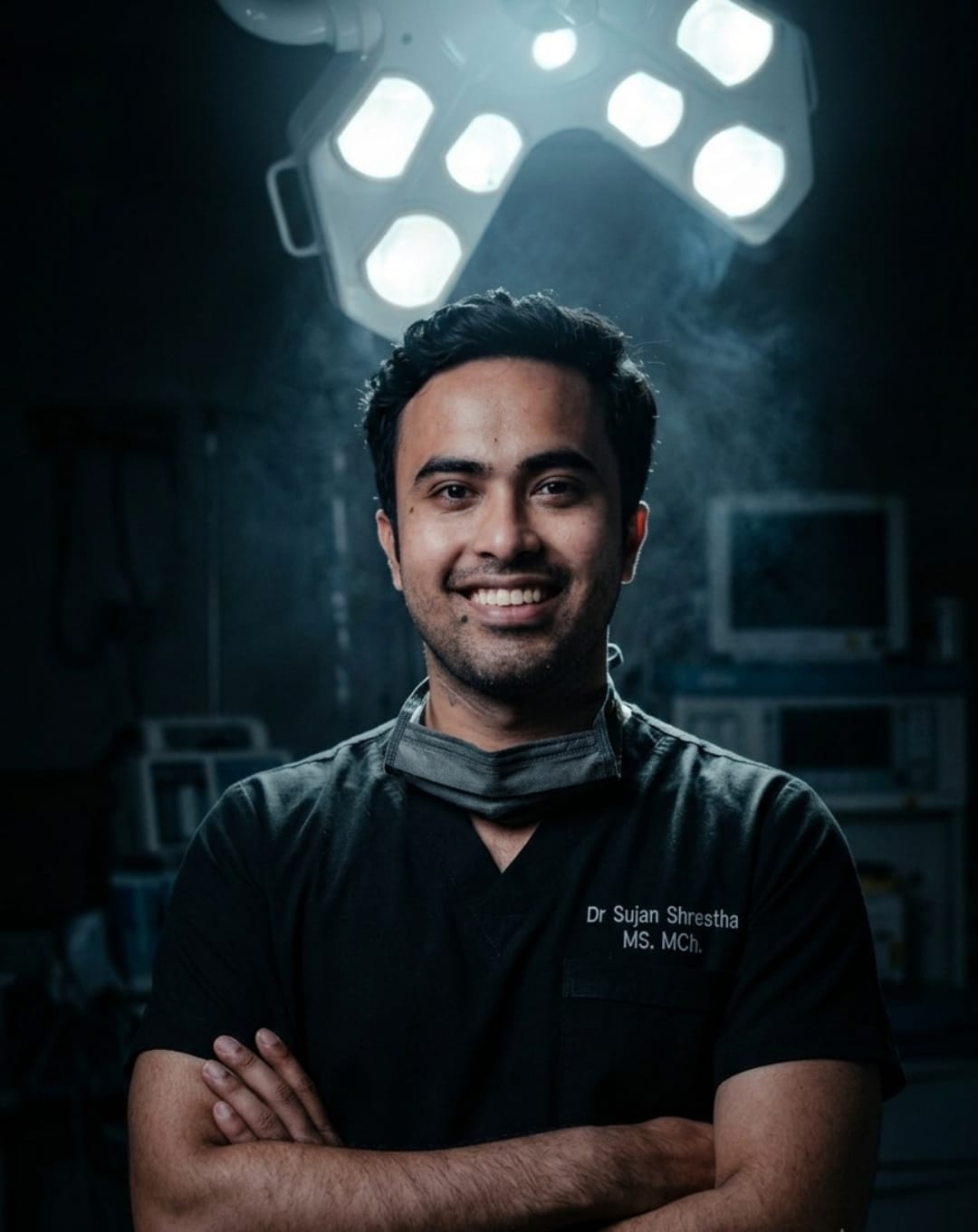
Dr. Sujan Shrestha, MBBS, MS, MCh — Associate Professor, General & GI Surgery. Pioneer of Nepal's first surgeon-powered robotic surgery.
Focused Surgical Specialties
A decade of practice concentrated in gastrointestinal, laparoscopic, and minimally invasive surgery.
Minimally invasive, small-incision surgery for gallbladder, appendix, and hernia — less pain, faster recovery.
Learn more Colorectal SurgerySurgical care for colon and rectal conditions, including cancer, using minimally invasive techniques.
Learn more Hernia SurgeryAdvanced repair techniques, including complex, recurrent, and mesh-based hernia repair.
Learn more Laser SurgeryLaser techniques for piles, fissure, and fistula, including Nepal-first applications in colorectal pathology.
Learn more GI Cancer SurgerySurgical treatment for stomach, colorectal, and related gastrointestinal cancers.
Learn more Liver & Pancreatic SurgerySpecialized surgery for liver, pancreas, and biliary tract conditions, including laparoscopic liver resection.
Learn more Robotic SurgeryNepal's first surgeon-powered robotic surgery techniques for select advanced procedures.
Learn more
Evidence, not adjectives.
Trust here is built on volume, training, and academic standing — not marketing language.
Nepal-first surgical techniques
Led Nepal's first surgeon-powered robotic surgery and VR-assisted laparoscopic surgery — not a follower of trends, a pioneer of them.
Minimally invasive by default
A laparoscopic and laser-first approach means less pain, a shorter hospital stay, and a faster return to normal life.
Teaching-hospital standard of care
As an Associate Professor, care follows academic rigor, not just private-practice volume.
Published, peer-reviewed research
18 papers and case reports in peer-reviewed journals — decisions grounded in evidence, not habit.
Active in the national surgical community
Presents regularly at Society of Surgeons of Nepal conferences and completed advanced training at IMMAST, Mumbai.
Conditions We Treat
Clear, plain-language guides to the conditions patients ask about most.
What Are Gallstones and Why Do They Form?
Gallstones are one of the most common reasons patients see a gastro surgeon in Nepal. Here is what they actually are, in plain language.
Read Guide
Is Hernia Surgery Always Necessary?
A hernia does not always mean emergency surgery — but knowing the warning signs that do need urgent care can be life-saving.
Read Guide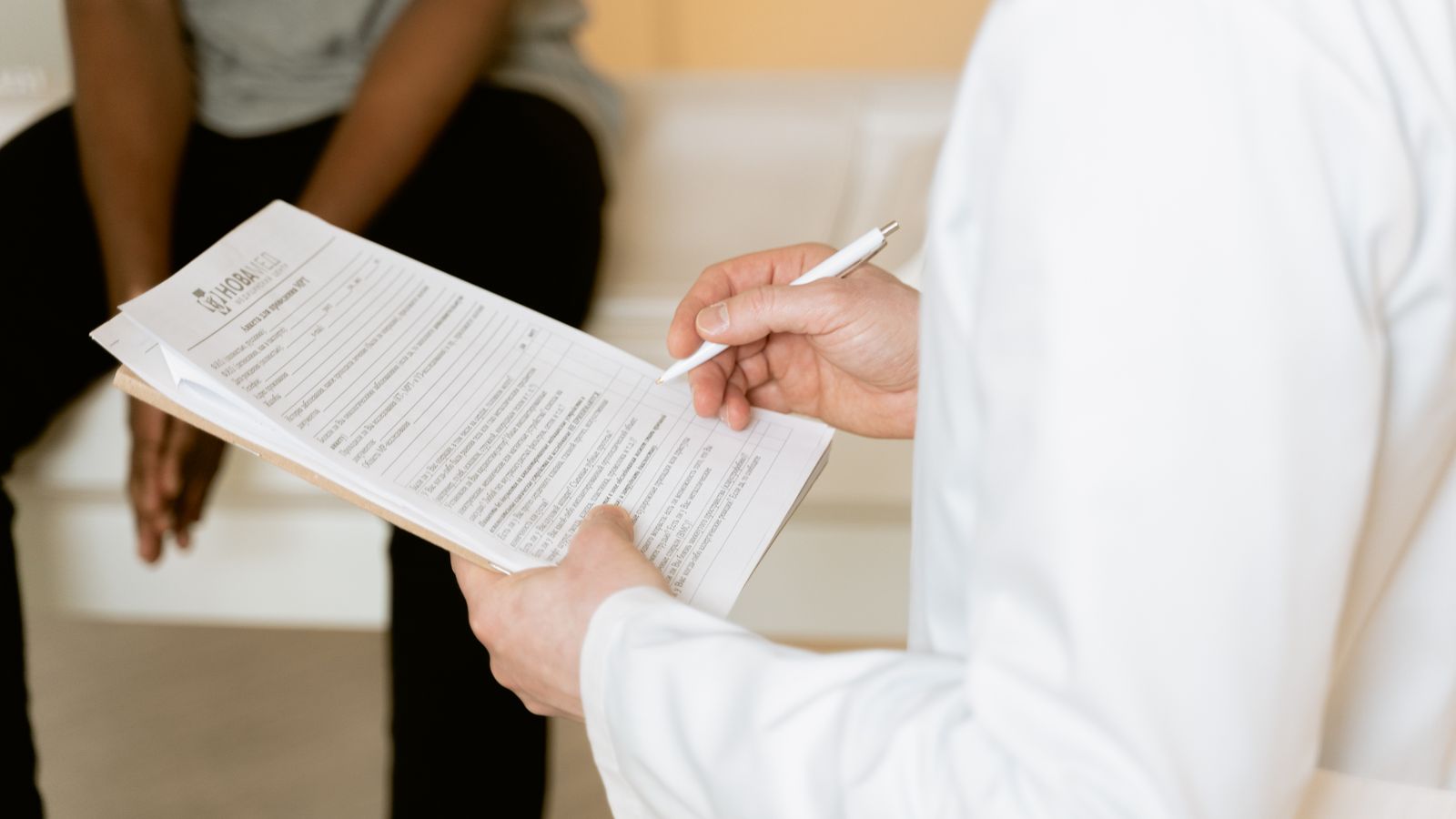
Early Signs of Appendicitis You Shouldn't Ignore
Appendicitis often starts as vague discomfort before becoming unmistakable. Here is what to watch for.
Read Guide
Laser Treatment for Piles: How It Works
Laser treatment has changed how piles, fissure, and fistula are treated — with less pain and faster healing than traditional surgery.
Read Guide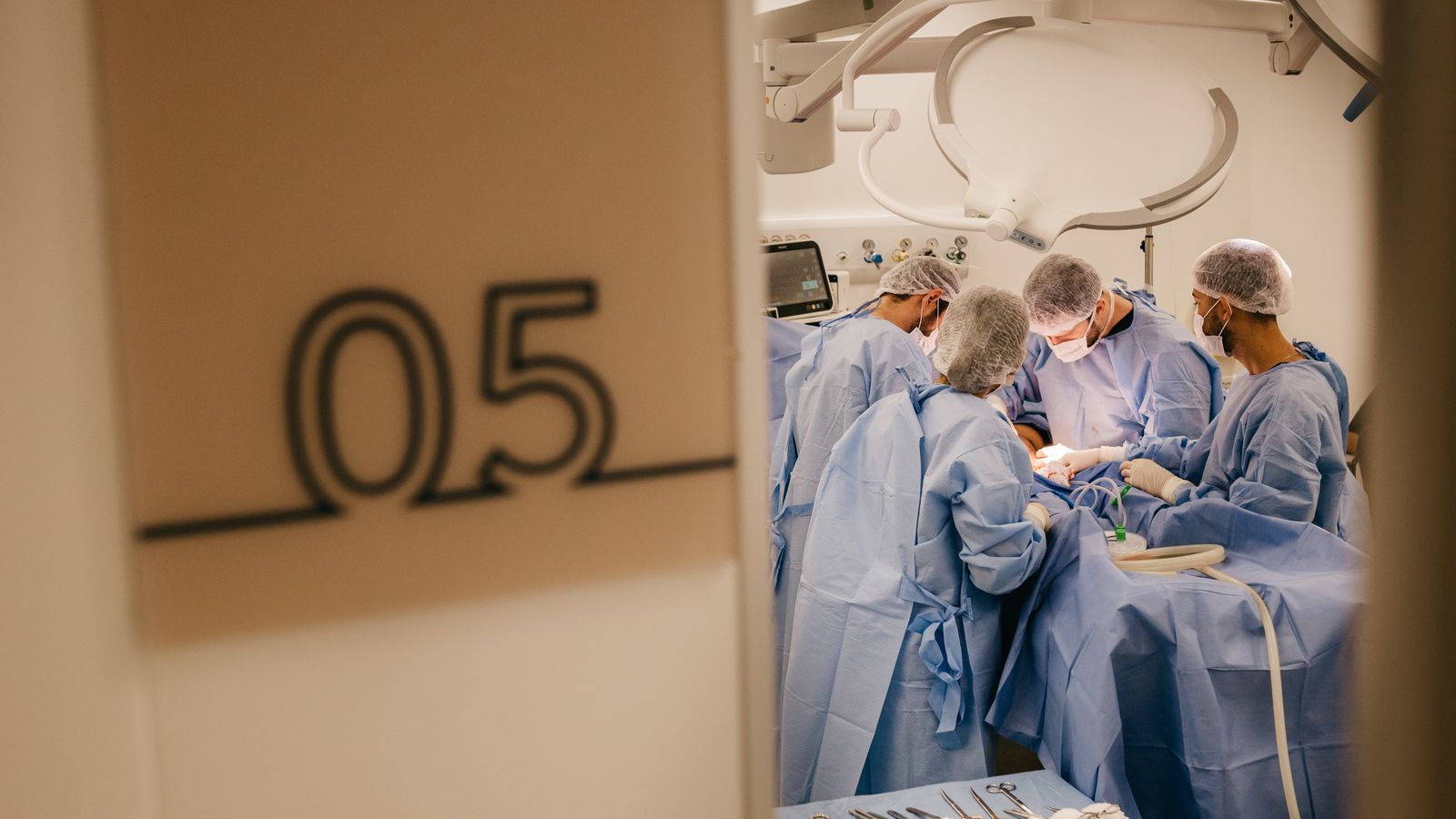
Early Warning Signs of Colon Cancer
Colorectal cancer is one of the most treatable cancers when caught early — knowing the warning signs matters.
Read Guide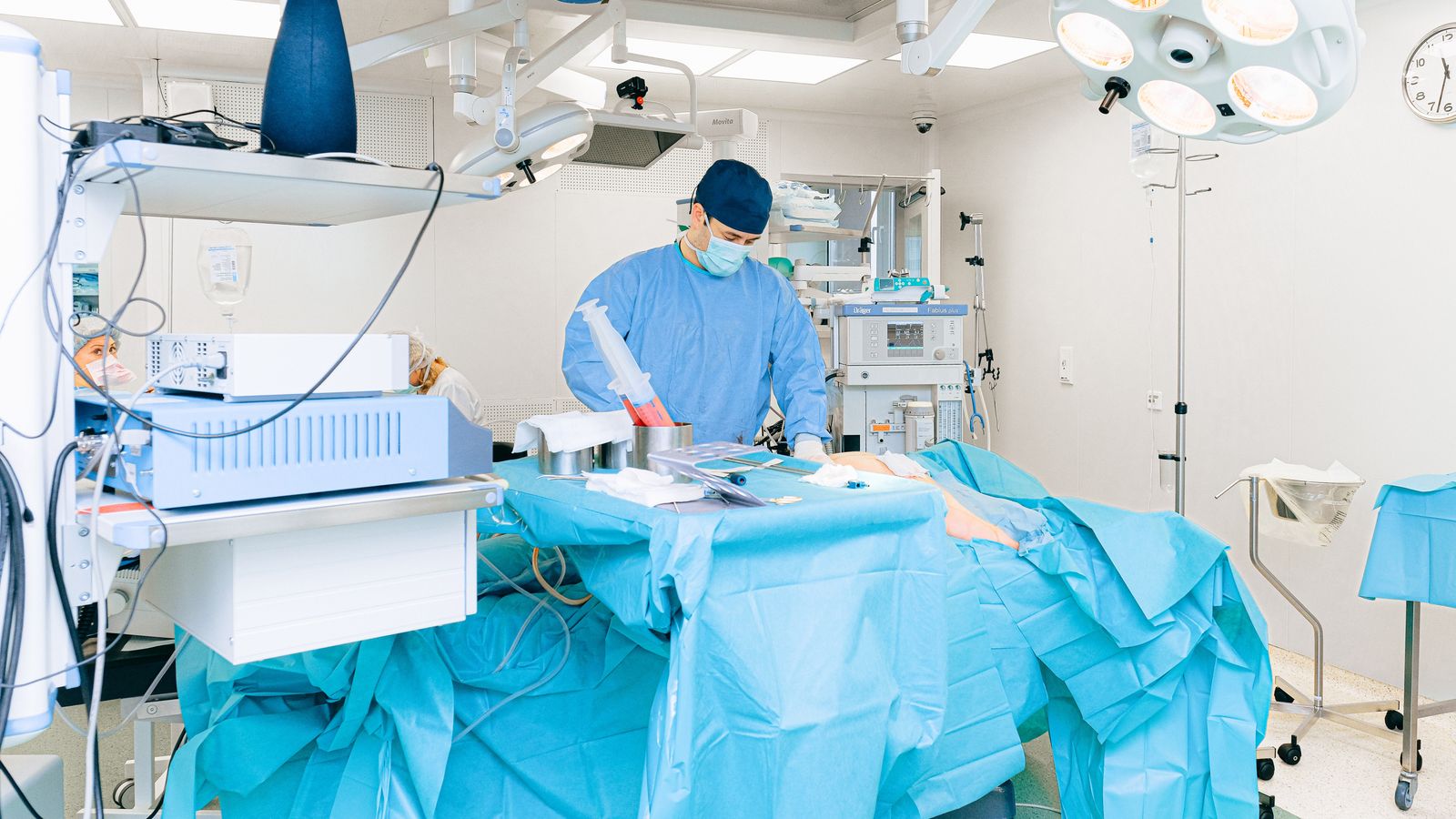
Laparoscopic vs Open Surgery: What's the Real Difference?
Patients often ask why "keyhole" surgery is preferred. Here is what actually differs, beyond just the size of the scar.
Read GuideConferences & Professional Life
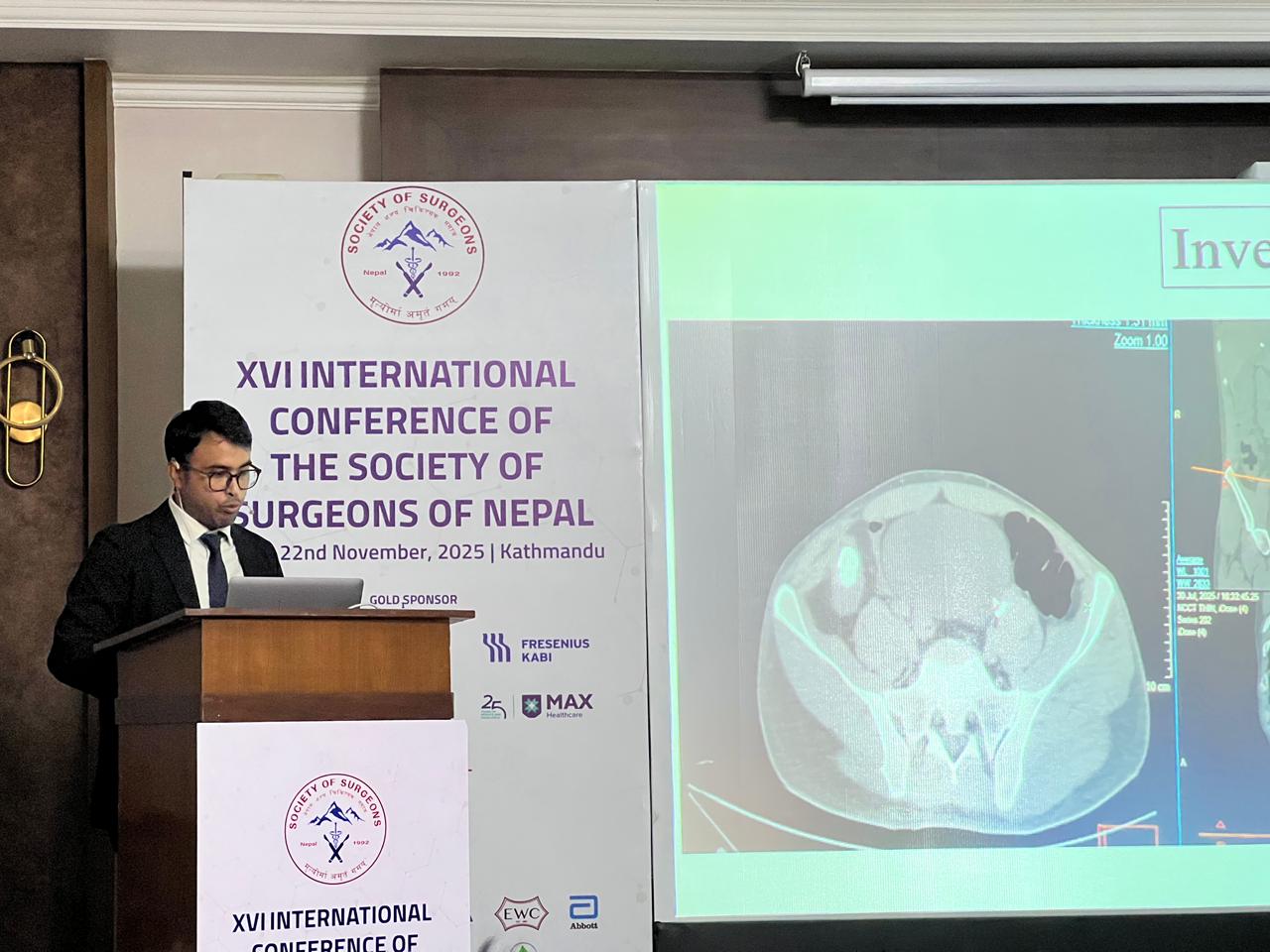
XVI International Conference, Society of Surgeons of Nepal — Kathmandu, 2025
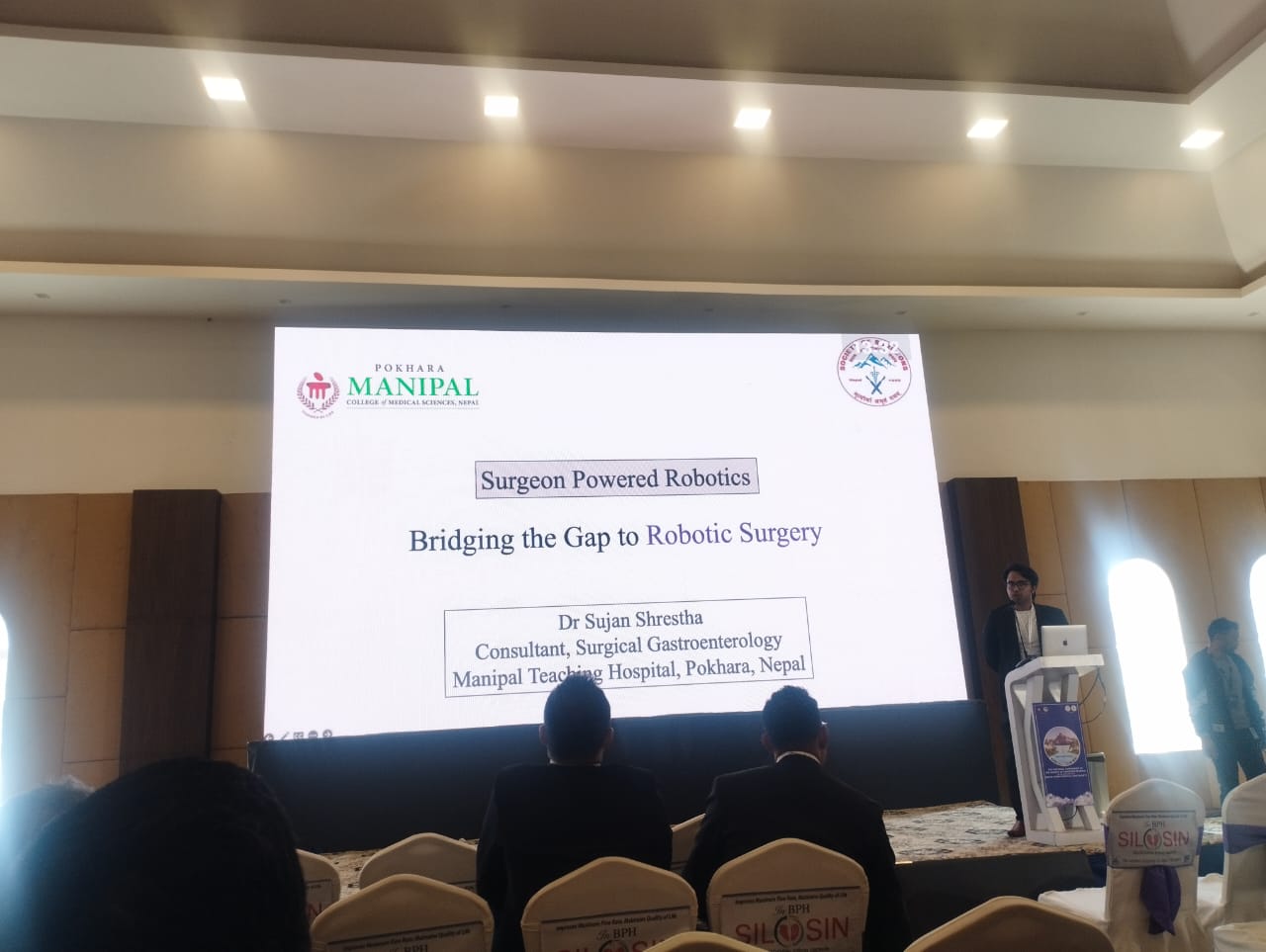
"Surgeon Powered Robotics" talk — Manipal, Pokhara, 2024
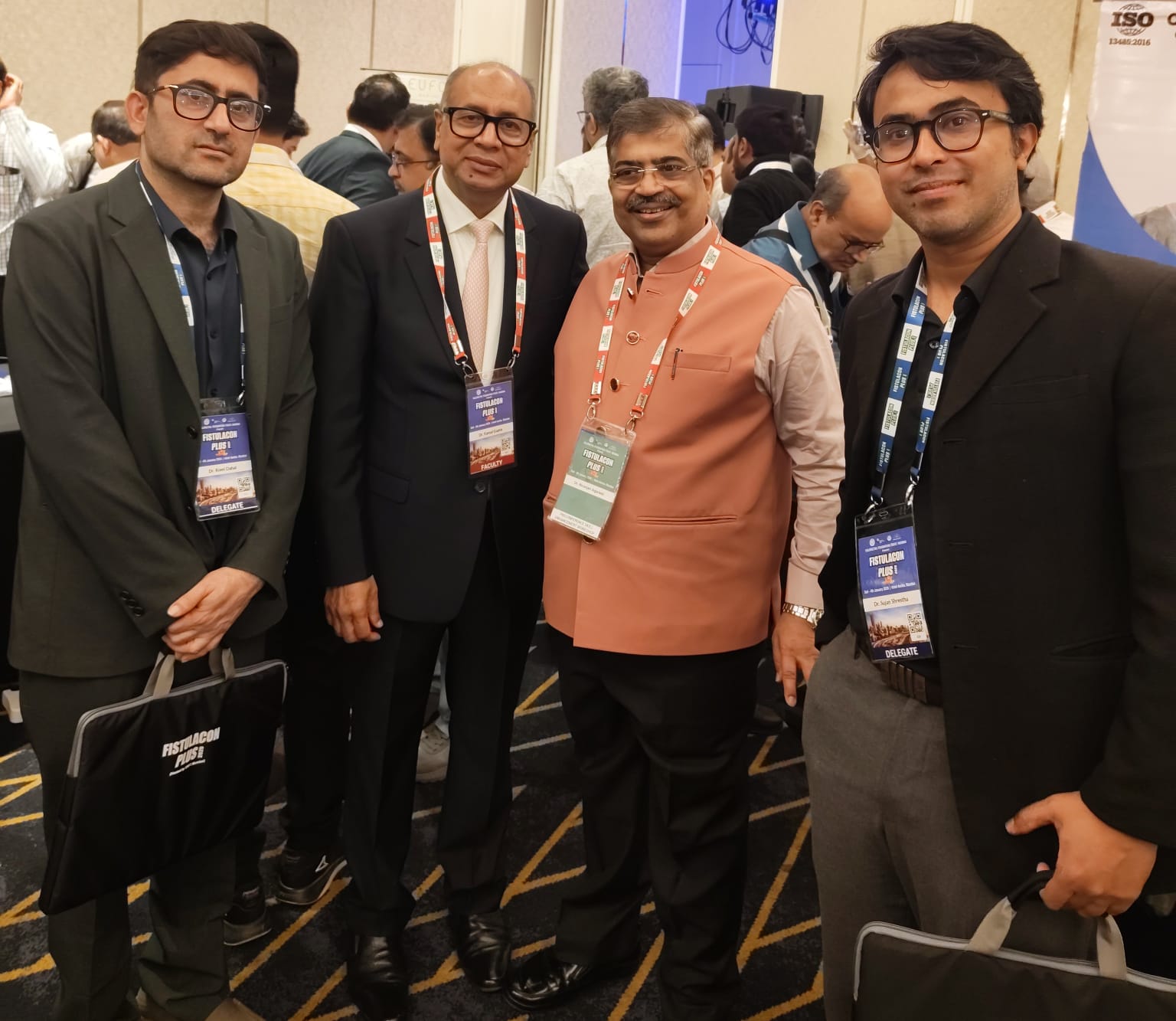
Master Course in Coloproctology — IMMAST, Mumbai
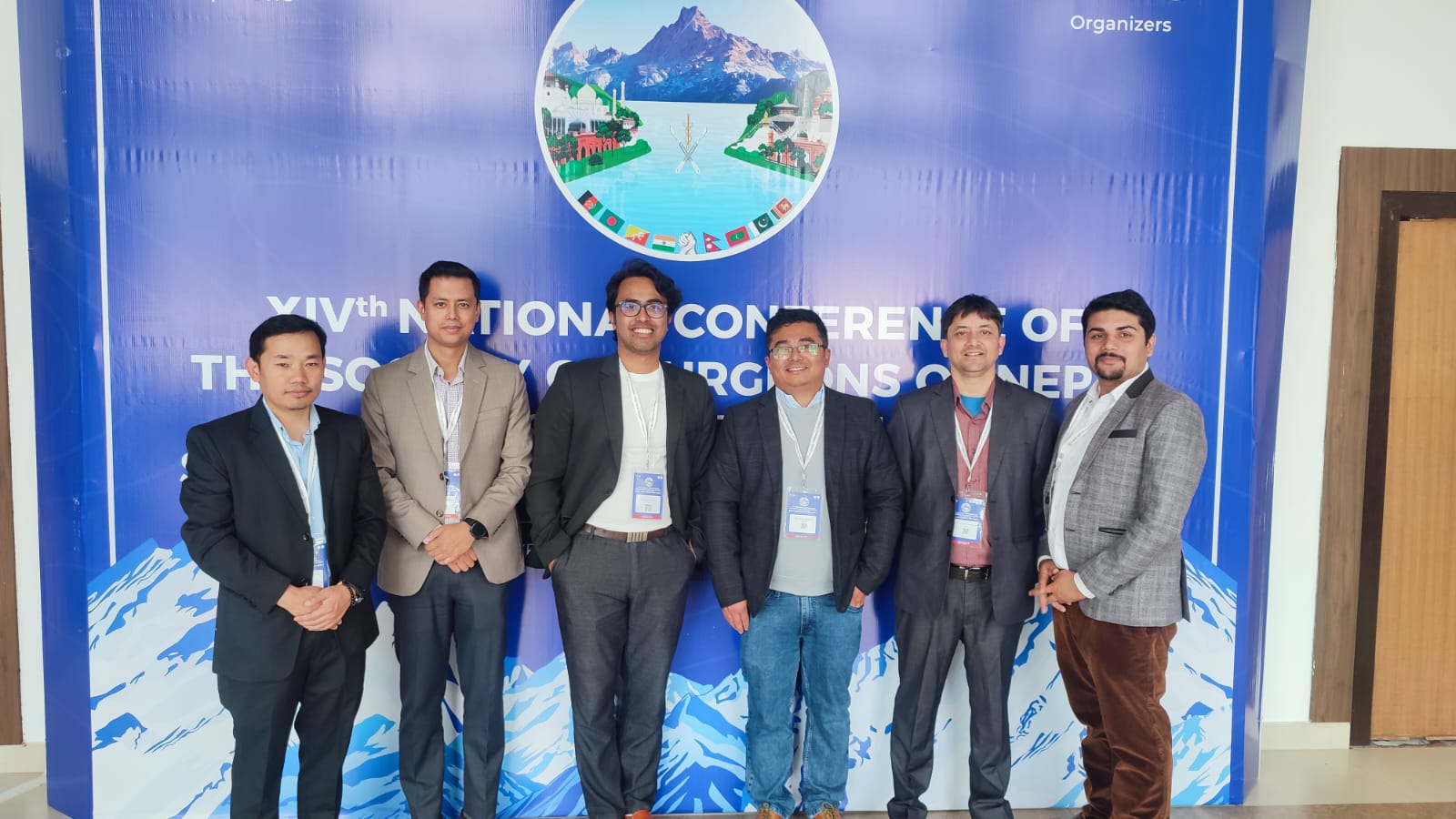
XIVth National Conference, Society of Surgeons of Nepal
Common Questions
See a gastro surgeon if you have persistent abdominal pain, unexplained weight loss, blood in your stool, a lump in the abdomen, or a diagnosed condition like gallstones, hernia, or piles that isn't improving with medication.
Yes. Laparoscopic surgery uses small incisions and a camera instead of a large open cut, which generally means less pain, a shorter hospital stay, and a faster return to daily activities for suitable cases.
Most laparoscopic gallbladder and hernia patients go home within 1–2 days and return to light activity within a week to ten days, though timelines vary by procedure and individual health.
Yes. Dr. Shrestha uses laser techniques for piles, fissure, and fistula, including Nepal-first applications of laser in colorectal pathology.
You can book an appointment online, message directly on WhatsApp, or call the clinic. WhatsApp is the fastest way to ask a quick question before your visit.
Have a health concern? Let’s talk.
Book a consultation, message on WhatsApp, or call directly — Dr. Shrestha’s team responds personally.