Surgeon-Powered Robotic & VR Surgery
The next step in keyhole surgery — robotic precision and VR guidance, always directed by the surgeon.
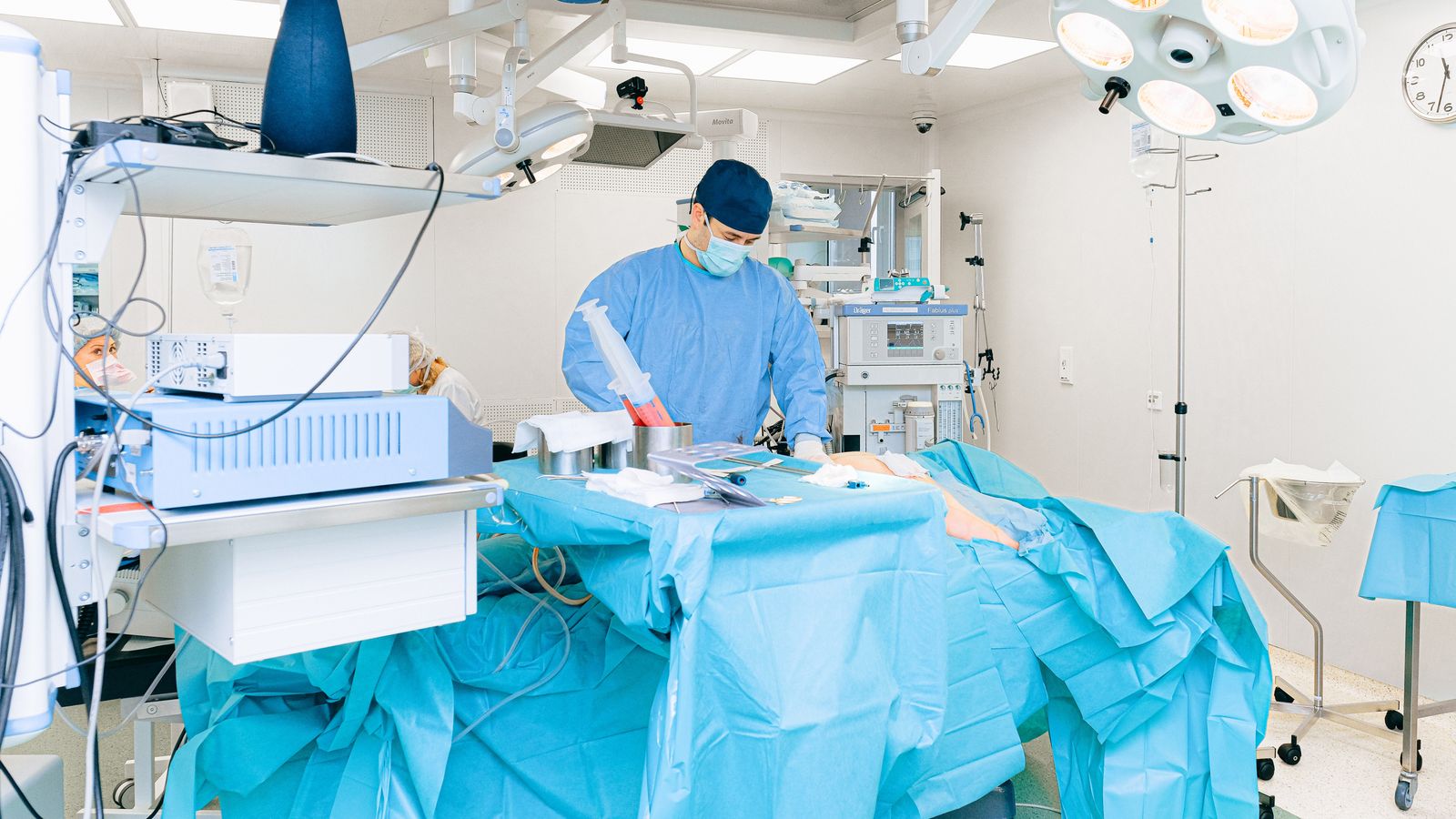
Surgeon-powered robotic surgery is an advanced form of keyhole surgery in which the surgeon controls fine robotic instruments and a magnified 3D view to operate with exceptional precision through tiny incisions. VR-assisted planning adds a detailed 3D map of the patient's anatomy. The result is delicate, accurate surgery with less pain and a quicker recovery.
Robotic surgery is one of the most significant advances in modern minimally invasive surgery. It builds on the keyhole (laparoscopic) approach by giving the surgeon robotic instruments that move with greater precision than the human hand alone, along with a magnified three-dimensional view of the operating field. Dr. Sujan Shrestha has pioneered surgeon-powered robotic and VR-assisted laparoscopic surgery in Nepal, bringing this technology to patients close to home.
सर्जन-पावर्ड रोबोटिक शल्यक्रिया भनेको सर्जनले नै नियन्त्रण गर्ने उन्नत किहोल शल्यक्रिया हो, जसले सानो प्वालबाट अत्यन्त सूक्ष्म र सटीक अपरेशन सम्भव बनाउँछ।
Overview
Surgeon-powered robotic surgery is keyhole surgery in which the surgeon operates through small incisions using robotic instruments that translate the movements of the surgeon\'s hands into extremely fine, steady, precise actions inside the body. The word "surgeon-powered" is important: the robot never acts on its own. Every movement is directed by the surgeon in real time — the technology simply extends the surgeon\'s skill, control and range of motion.
The VR-assisted element uses virtual-reality and 3D imaging to build a detailed map of the patient\'s anatomy before and during surgery. This helps the surgeon plan the safest route, understand complex anatomy, and navigate delicate structures with confidence. Together, robotic precision and VR guidance make it possible to perform intricate operations through the smallest possible incisions.
Conditions it treats
- GI cancer surgery, including stomach, colorectal and other digestive cancers
- Complex colorectal and rectal operations
- Hernia repair, including large and recurrent hernias
- Gallbladder and biliary surgery
- Selected liver, pancreas and upper-GI procedures
- Other abdominal operations suited to a precise, minimally invasive approach
Key benefits
- Greater precision in tight or delicate areas of the body
- Magnified, stable 3D vision for the surgeon
- Very small incisions, meaning less pain and minimal scarring
- Steadier movements with fine, tremor-free control
- Often less blood loss and a lower risk of wound problems
- Faster recovery and earlier return to normal life for suitable patients
How the procedure is performed
The operation is carried out under general anaesthesia. Several small incisions are made in the abdomen, through which a camera and slender robotic instruments are placed. The surgeon sits at a console beside the patient, viewing a magnified 3D image and controlling the instruments with hand and finger movements. These movements are scaled and steadied by the system, allowing very fine, accurate work — while the surgeon remains fully in command at every moment.
Where VR planning is used, the surgeon reviews a three-dimensional model of the patient\'s anatomy beforehand to map out the procedure. As with all keyhole surgery, if greater safety calls for it, the operation can be converted to a standard laparoscopic or open approach.
Preparing for surgery
Preparation is similar to other keyhole operations. You will have the necessary blood tests, scans and an assessment of your fitness for anaesthesia. Any imaging needed for VR planning is arranged in advance. You will usually be asked to fast for several hours before surgery and to tell your surgeon about all medicines, especially blood thinners, as well as any other health conditions.
Recovery & aftercare
Because the incisions are small, most patients experience less pain and are able to walk and eat soon after surgery. Hospital stay and recovery time depend on the specific operation, but the minimally invasive nature of the robotic approach often means a shorter stay and a quicker return to everyday activities. Your surgeon will give you clear, personalised advice on activity, wound care and follow-up.
Risks & considerations
- The general risks of any surgery, such as bleeding or infection
- Risks related to general anaesthesia
- Occasional need to convert to laparoscopic or open surgery for safety
- Slightly longer set-up time for the robotic system
- Temporary discomfort from the gas used to inflate the abdomen
- Risks specific to the individual operation being performed
Frequently asked questions
No. The surgery is entirely surgeon-powered — the robot never acts independently. Every movement is controlled by the surgeon in real time, and the technology simply provides greater precision, steadier control and a magnified 3D view.
Both use small incisions, but robotic surgery adds finer, tremor-free instrument control and a magnified three-dimensional view. This can make delicate steps more precise, which is especially valuable in complex or confined areas.
Yes. It is an established, well-tested approach used worldwide for many operations. As with any surgery there are risks, and your surgeon will discuss whether the robotic approach is the best choice for your particular case.
VR (virtual reality) and 3D imaging create a detailed map of your anatomy that the surgeon can study before and during the operation. This helps with planning and navigating complex or delicate structures more safely.
For suitable patients, the small incisions usually mean less pain, smaller scars and a quicker return to normal activity than open surgery. Your actual recovery depends on the specific operation and your overall health.
Get a clear answer from a specialist
Dr. Sujan Shrestha (MBBS, MS, MCh) offers evidence-based, minimally invasive care for surgeon-powered robotic & vr surgery and the full range of GI conditions.