Colorectal Cancer
Cancer of the colon or rectum — one of the most preventable and, when caught early, most curable cancers.
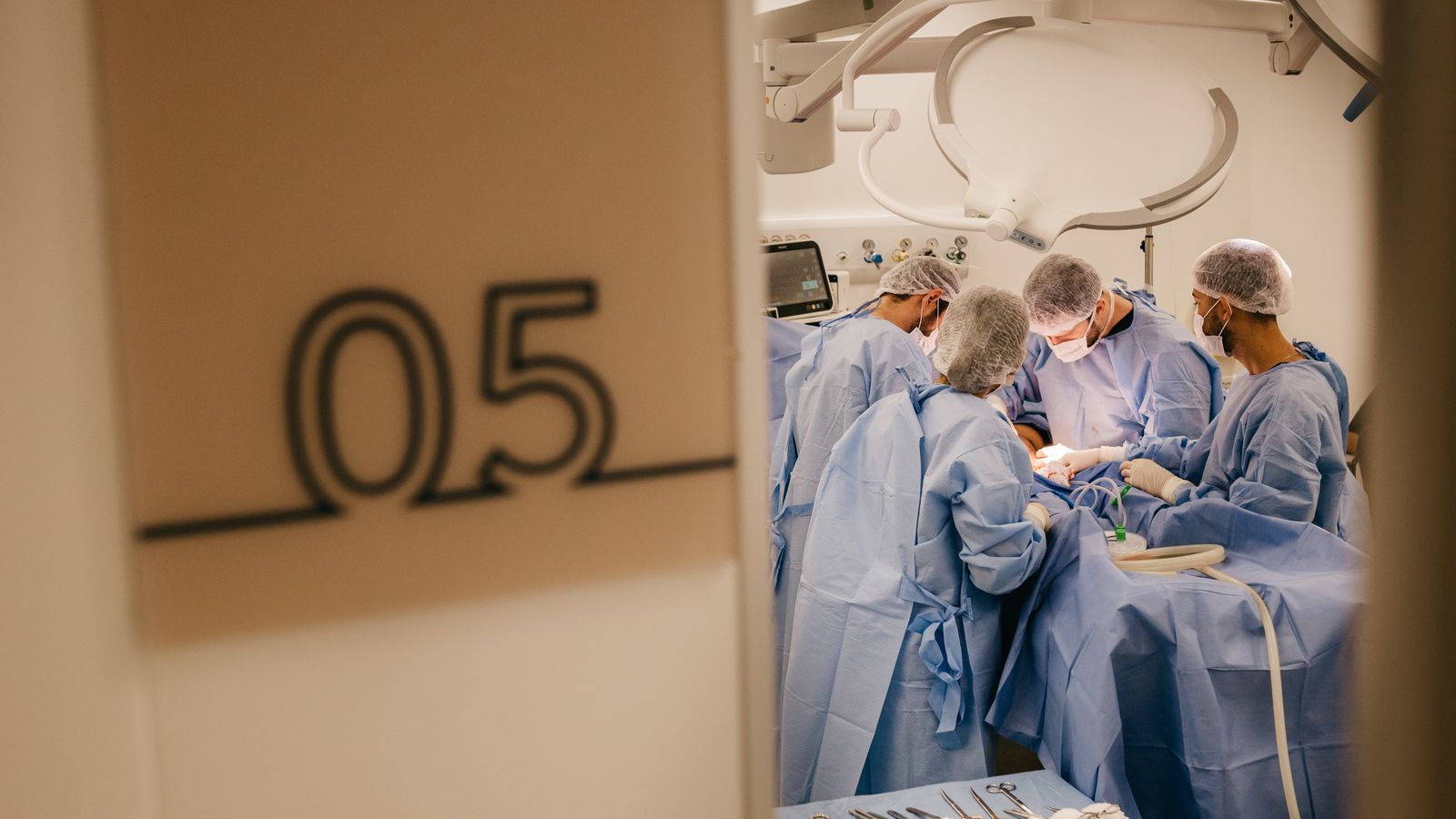
Colorectal cancer develops in the colon or rectum, often from small growths called polyps that slowly turn cancerous over years. Early disease frequently causes no symptoms, so screening matters. When found early it is highly treatable — surgery to remove the affected bowel, sometimes with chemotherapy, offers an excellent chance of cure.
Colorectal cancer is one of the most common cancers of the digestive system, but it is also one of the most preventable and treatable. Most cases grow slowly from harmless-looking polyps over several years, which gives a real opportunity to find and remove them early. With timely diagnosis and well-planned surgery, many patients are cured and go on to live full, healthy lives.
ठूलो आन्द्रा वा मलाशयमा हुने क्यान्सर (कोलोरेक्टल क्यान्सर) प्रायः पोलिपबाट सुरु हुन्छ र सुरुमै पत्ता लागेमा शल्यक्रियाद्वारा राम्रोसँग उपचार गर्न सकिन्छ।
Understanding Colorectal Cancer
Colorectal cancer is cancer that begins in the large intestine — the colon — or in the rectum, the final section of the bowel. It usually starts as a small, non-cancerous growth on the inner lining called a polyp. Over time, some polyps undergo changes and become cancerous.
Because this process is often slow, removing polyps before they turn cancerous can prevent the disease altogether. When cancer does develop, catching it while it is still confined to the bowel wall makes treatment far more effective. This is why screening — even when you feel completely well — is so valuable.
Symptoms
- A lasting change in bowel habit — diarrhoea, constipation or narrower stools
- Blood in the stool, or bleeding from the back passage
- A feeling that the bowel does not empty completely
- Persistent abdominal cramps, bloating or discomfort
- Unexplained weight loss and loss of appetite
- Tiredness or weakness from low blood count (anaemia)
Causes & risk factors
- Age over 50, though cases in younger adults are rising
- A personal or family history of colorectal cancer or polyps
- Long-standing inflammatory bowel disease (ulcerative colitis or Crohn's)
- A diet high in red or processed meat and low in fibre
- Smoking, heavy alcohol use and physical inactivity
- Being overweight or having type 2 diabetes
- Certain inherited genetic conditions (such as Lynch syndrome)
Possible complications
- Bowel obstruction if a tumour blocks the passage of stool
- Bleeding leading to anaemia and weakness
- A hole (perforation) in the bowel wall, which is a surgical emergency
- Spread of cancer to nearby lymph nodes, the liver or the lungs
How it is diagnosed
The most reliable way to diagnose colorectal cancer is colonoscopy — a thin, flexible camera that examines the entire large bowel and allows the doctor to take a small tissue sample (biopsy) or remove polyps at the same time. Simple stool tests can flag hidden blood and prompt further investigation. If cancer is confirmed, CT or MRI scans are used to check the exact location and whether it has spread, so that treatment can be planned precisely.
Treatment options
Treatment is tailored to the type, position and stage of the cancer, and is usually planned by a team of specialists. Very early cancers within a polyp can sometimes be cured by removing the polyp alone during colonoscopy. Most colorectal cancers, however, are best treated by surgery to remove the affected segment of bowel, sometimes combined with chemotherapy or radiotherapy to improve the chance of long-term cure.
Surgical treatment
Surgery is the cornerstone of curative treatment. The affected part of the colon or rectum is removed along with nearby lymph nodes, and the healthy ends of the bowel are re-joined so that normal function is restored wherever possible. Dr. Sujan Shrestha performs colorectal cancer surgery using minimally invasive (laparoscopic) and surgeon-powered robotic techniques where suitable, which allow precise removal of the tumour through small incisions.
Compared with traditional open surgery, the keyhole approach generally means less pain, smaller scars, a shorter hospital stay and a faster return to normal life — while maintaining the same cancer-clearance goals.
Recovery & aftercare
Recovery depends on the extent of surgery and the individual, but minimally invasive techniques often shorten hospital stay and speed the return to eating and walking. Most patients gradually resume normal activity over a few weeks. After treatment, regular follow-up — including scans, blood tests and colonoscopy — helps confirm that you stay well and catches any change early.
When to see a doctor
See a doctor if you notice a persistent change in bowel habit, blood in your stool, unexplained weight loss or ongoing tiredness. These symptoms are often caused by harmless conditions, but they should always be checked. If you are over 50 or have a family history, ask about screening even when you feel completely well — early detection saves lives.
Frequently asked questions
Yes — especially when it is found early. Cancers confined to the bowel wall have very high cure rates after surgery. Even more advanced cases can often be treated successfully with a combination of surgery and chemotherapy.
To a large extent, yes. Removing polyps during colonoscopy stops many cancers before they start, and a high-fibre diet, regular exercise, and avoiding smoking and excess alcohol all reduce the risk.
Most people should begin screening around age 50, or earlier if they have a family history or symptoms. Your doctor can advise the right test and timing based on your personal risk.
Most patients do not. In modern colorectal surgery the healthy ends of the bowel are usually re-joined. A stoma, when needed, is often temporary, and permanent bags are reserved for specific low rectal cancers.
No. Piles and anal fissures are far more common causes of bleeding. However, blood in the stool should never be ignored, because it can also be an early sign of cancer that is best caught quickly.
Get a clear answer from a specialist
Dr. Sujan Shrestha (MBBS, MS, MCh) offers evidence-based, minimally invasive care for colorectal cancer and the full range of GI conditions.