Laparoscopic Gallbladder Removal
Keyhole removal of the gallbladder — the gold-standard treatment for symptomatic gallstones.
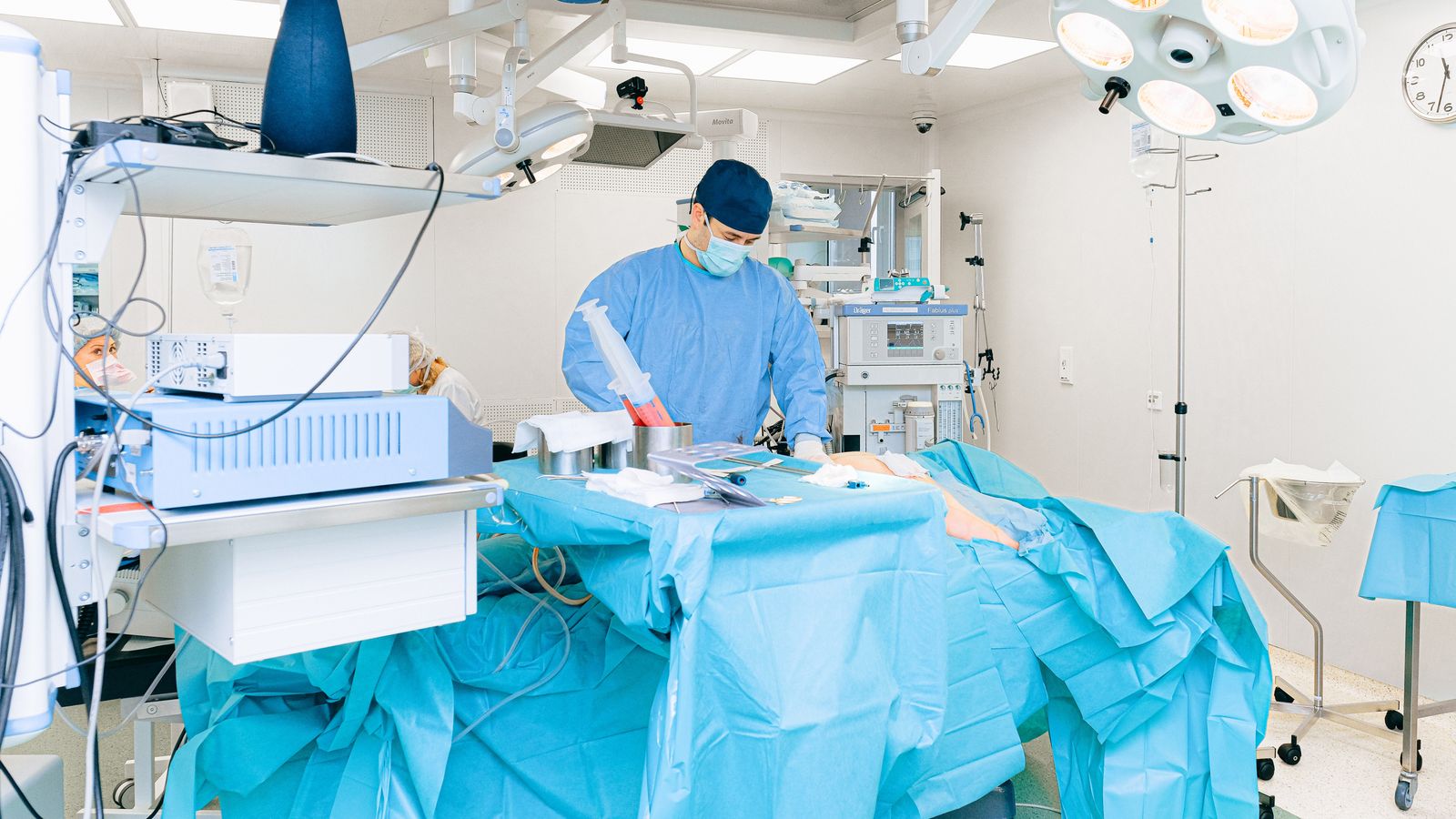
Laparoscopic cholecystectomy is keyhole surgery to remove a diseased gallbladder through a few small incisions using a camera and fine instruments. It is the standard treatment for symptomatic gallstones, usually done as day-care surgery with less pain, tiny scars and recovery in about a week.
Laparoscopic cholecystectomy is the most common way to treat gallstones that cause symptoms. It replaces traditional open surgery with a keyhole technique that means smaller scars, less pain and a much quicker return to everyday life. Dr. Sujan Shrestha performs this procedure routinely as part of his minimally invasive GI surgery practice.
ल्यापरोस्कोपिक कोलिसिस्टेक्टोमी भनेको सानो प्वालबाट क्यामेरा प्रयोग गरी पित्तथैली निकाल्ने किहोल शल्यक्रिया हो — कम दुखाइ र छिटो निको हुन्छ।
Overview
A cholecystectomy is the surgical removal of the gallbladder. In the laparoscopic (keyhole) approach, the surgeon works through three or four small cuts, each 5–10 mm, instead of one large incision. A thin camera (laparoscope) sends a magnified view to a screen, and specialised instruments are used to detach and remove the gallbladder safely.
Because the gallbladder only stores bile, the body adapts easily to life without it — the liver simply drains bile directly into the intestine.
Conditions it treats
- Symptomatic gallstones (biliary colic)
- Acute or chronic cholecystitis (inflamed gallbladder)
- Gallbladder polyps that need removal
- Gallstone pancreatitis, after the pancreas settles
- Biliary dyskinesia (a poorly functioning gallbladder)
Key benefits
- Only a few small incisions instead of one large cut
- Significantly less post-operative pain
- Usually a day-care or single-night stay
- Faster return to work and normal activity
- Lower risk of wound infection and hernia
- Minimal, barely visible scarring
How the procedure is performed
The operation is done under general anaesthesia. The abdomen is gently inflated with carbon dioxide to create space, and the laparoscope is inserted through a small cut near the navel. Working through two or three further ports, the surgeon carefully identifies and secures the cystic duct and artery, separates the gallbladder from the liver, and removes it through one of the small incisions.
The whole procedure typically takes 30–60 minutes. If any difficulty is found, the surgeon may occasionally convert to open surgery for safety — this is uncommon but is always done in the patient's best interest.
Preparing for surgery
Before surgery you will have blood tests and an ultrasound, and sometimes an MRCP if a bile-duct stone is suspected. You will be asked to fast for about six hours beforehand. Tell the surgeon about any medicines you take, especially blood thinners, and about diabetes or other conditions.
Recovery & aftercare
Most patients go home the same day or the next morning. Mild shoulder-tip or abdominal discomfort from the gas settles within a day or two. You can usually resume desk work within a few days and full activity within one to two weeks. A gradual return to normal diet is encouraged, easing back into fatty foods.
Risks & considerations
- Minor bleeding or bruising at the incision sites
- Wound or chest infection (uncommon)
- Bile leak or bile-duct injury (rare in experienced hands)
- Temporary loose stools after fatty meals
- Small chance of conversion to open surgery
Frequently asked questions
The operation itself usually takes 30 to 60 minutes. Including anaesthesia and recovery, most patients spend only a few hours in hospital and often go home the same day.
Most people return to a normal diet within a few weeks. It helps to reintroduce fatty and heavy foods gradually at first. Long-term dietary restrictions are rarely needed.
There is far less pain than with open surgery. Most discomfort is mild and controlled with simple painkillers, easing within a couple of days.
Patients with desk jobs often return within 3–5 days. Those doing heavy physical work may need one to two weeks. Your surgeon will advise based on your recovery.
The incisions are only 5–10 mm and fade to barely visible marks over time — one of the key advantages of the laparoscopic approach.
Get a clear answer from a specialist
Dr. Sujan Shrestha (MBBS, MS, MCh) offers evidence-based, minimally invasive care for laparoscopic gallbladder removal and the full range of GI conditions.