Appendicitis
Sudden inflammation of the appendix — a common surgical emergency that needs prompt treatment.
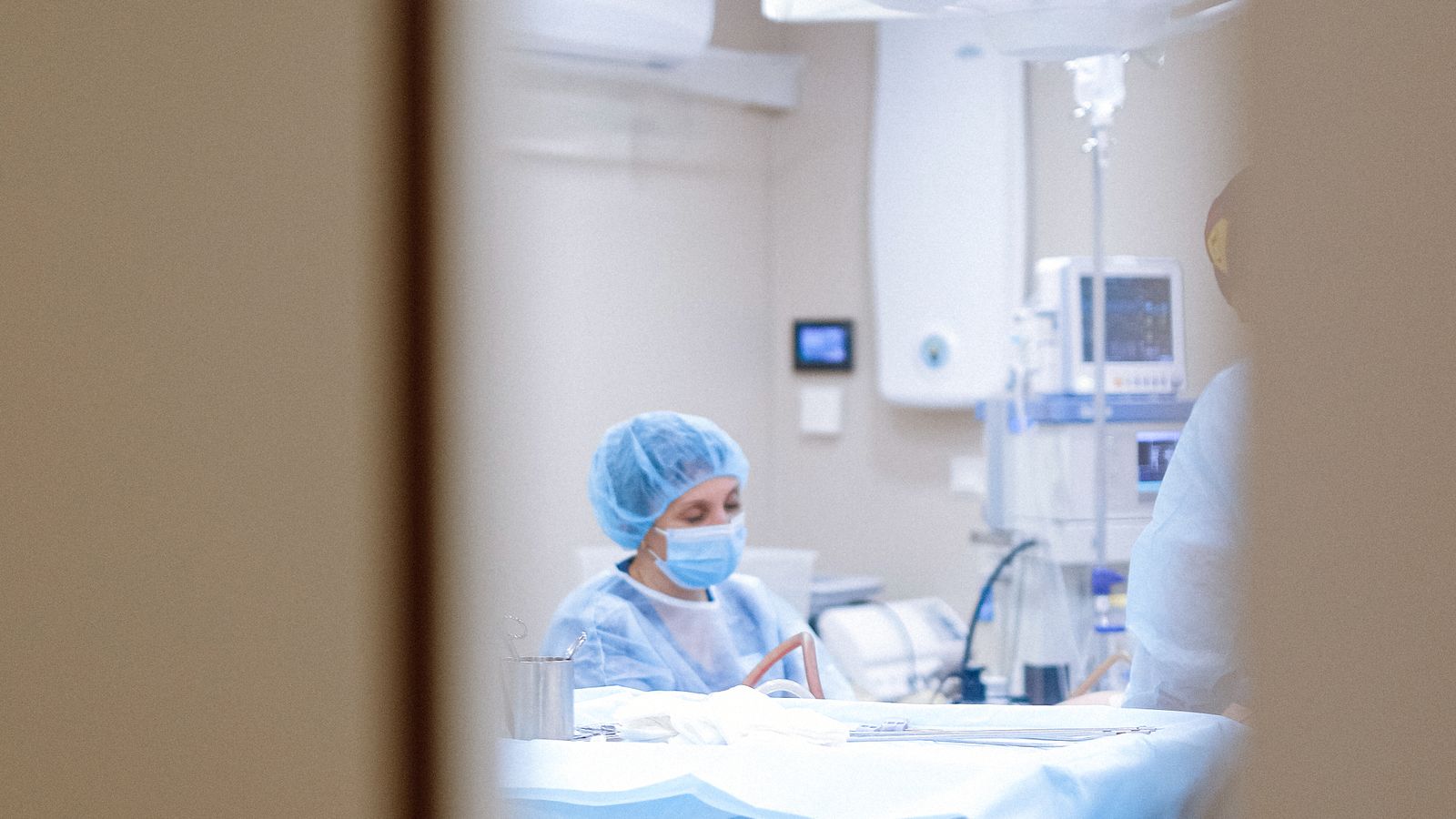
Appendicitis is inflammation of the appendix, a small pouch attached to the large intestine. It typically causes pain that begins near the navel and shifts to the lower-right abdomen, with fever, nausea and loss of appetite. It is a surgical emergency, and the standard treatment is prompt removal of the appendix, usually by keyhole surgery.
Appendicitis is one of the most common reasons for emergency abdominal surgery worldwide, and it can affect people of any age, most often between the teens and thirties. Because an inflamed appendix can burst within a day or two, recognising the warning signs early and getting prompt surgical care is important to avoid dangerous complications.
एपेन्डिसाइटिस भनेको एपेन्डिक्समा सुनिने अवस्था हो, जसमा पेटको तल्लो दाहिने भागमा दुख्ने, ज्वरो आउने र वाकवाकी लाग्ने हुन्छ — यो आकस्मिक शल्यक्रियाबाट एपेन्डिक्स निकालेर उपचार गरिन्छ।
Understanding Appendicitis
The appendix is a small, finger-shaped pouch that projects from the beginning of the large intestine, in the lower-right part of the abdomen. Its exact function is minor, and the body works perfectly well without it. Appendicitis develops when the opening of the appendix becomes blocked — often by hardened stool, swollen tissue or, occasionally, infection.
Once blocked, the appendix swells, fills with pus and its blood supply is threatened. If it is not removed in time, it can burst (perforate), spilling infection into the abdominal cavity — a serious situation that makes treatment and recovery much more difficult.
Symptoms
- Pain that often starts around the navel and moves to the lower-right abdomen
- Pain that worsens with movement, coughing or pressing on the area
- Loss of appetite
- Nausea and vomiting
- Low-grade fever that may rise as the condition progresses
- Constipation, diarrhoea or a bloated, tender abdomen
Causes & risk factors
- Blockage of the appendix opening by hardened stool (faecolith)
- Swelling of the lining tissue after a viral or bacterial infection
- Trapped stool, mucus or, rarely, a growth blocking the appendix
- Intestinal worms or parasites (in some regions)
- A family history of appendicitis
Possible complications
- A burst (perforated) appendix spilling infection into the abdomen
- Peritonitis — a serious, widespread infection of the abdominal lining
- An abscess (a walled-off collection of pus) around the appendix
- Bowel obstruction from inflammation
- Life-threatening blood infection (sepsis) if treatment is delayed
How it is diagnosed
Diagnosis begins with a careful history and examination of the abdomen, which is often characteristic. Blood tests usually show signs of infection. An ultrasound or CT scan helps confirm the diagnosis and rule out other causes of abdominal pain, especially in women, children and older adults. Because appendicitis can progress quickly, doctors sometimes advise surgery based on strong clinical suspicion without waiting for every test.
Treatment options
The definitive treatment for appendicitis is removal of the appendix (appendicectomy), together with antibiotics and fluids. In selected mild, uncomplicated cases antibiotics alone may be tried, but there is a real chance the problem returns, so surgery remains the reliable, standard approach. Once appendicitis is confirmed, prompt surgery gives the best outcome and prevents rupture.
Surgical treatment
The operation is usually performed as a laparoscopic appendicectomy — keyhole removal of the appendix through a few small incisions using a camera and fine instruments. Dr. Sujan Shrestha performs this minimally invasive procedure, which allows a clear view of the abdomen, less pain and a faster recovery than open surgery. If the appendix has already burst or there is a large abscess, open surgery or drainage may occasionally be needed for safety.
Recovery & aftercare
After keyhole appendix removal for uncomplicated appendicitis, most patients go home within one to two days and return to normal activity within one to two weeks. Recovery takes longer if the appendix had burst, as a longer course of antibiotics and a hospital stay are usually required. Light activity is encouraged early, with heavy lifting avoided for a few weeks.
When to see a doctor
Seek medical care urgently if you have worsening lower-right abdominal pain, especially with fever, vomiting or a rigid, tender abdomen. Do not take strong painkillers or laxatives and avoid eating or drinking until you have been assessed, as surgery may be needed. Prompt attention prevents the appendix from bursting.
Frequently asked questions
Some mild, uncomplicated cases can settle with antibiotics alone, but the condition often returns and may need surgery later. Removing the appendix remains the standard, most reliable treatment once appendicitis is confirmed.
Appendicitis is a surgical emergency because an inflamed appendix can burst within a day or two. Surgery is usually carried out promptly, often within hours of diagnosis, to prevent serious complications.
No. The appendix has only a minor role, and the body functions perfectly well without it. Digestion and overall health are unaffected after the appendix is removed.
A burst appendix spills infection into the abdomen and can cause peritonitis, an abscess, or life-threatening sepsis. This is why prompt surgery is so important once appendicitis is suspected.
For uncomplicated appendicitis, most people go home within a day or two and return to normal activity within one to two weeks. Recovery is longer if the appendix had already burst.
Get a clear answer from a specialist
Dr. Sujan Shrestha (MBBS, MS, MCh) offers evidence-based, minimally invasive care for appendicitis and the full range of GI conditions.