Inguinal Hernia
A bulge in the groin where tissue pushes through a weak spot in the abdominal wall.
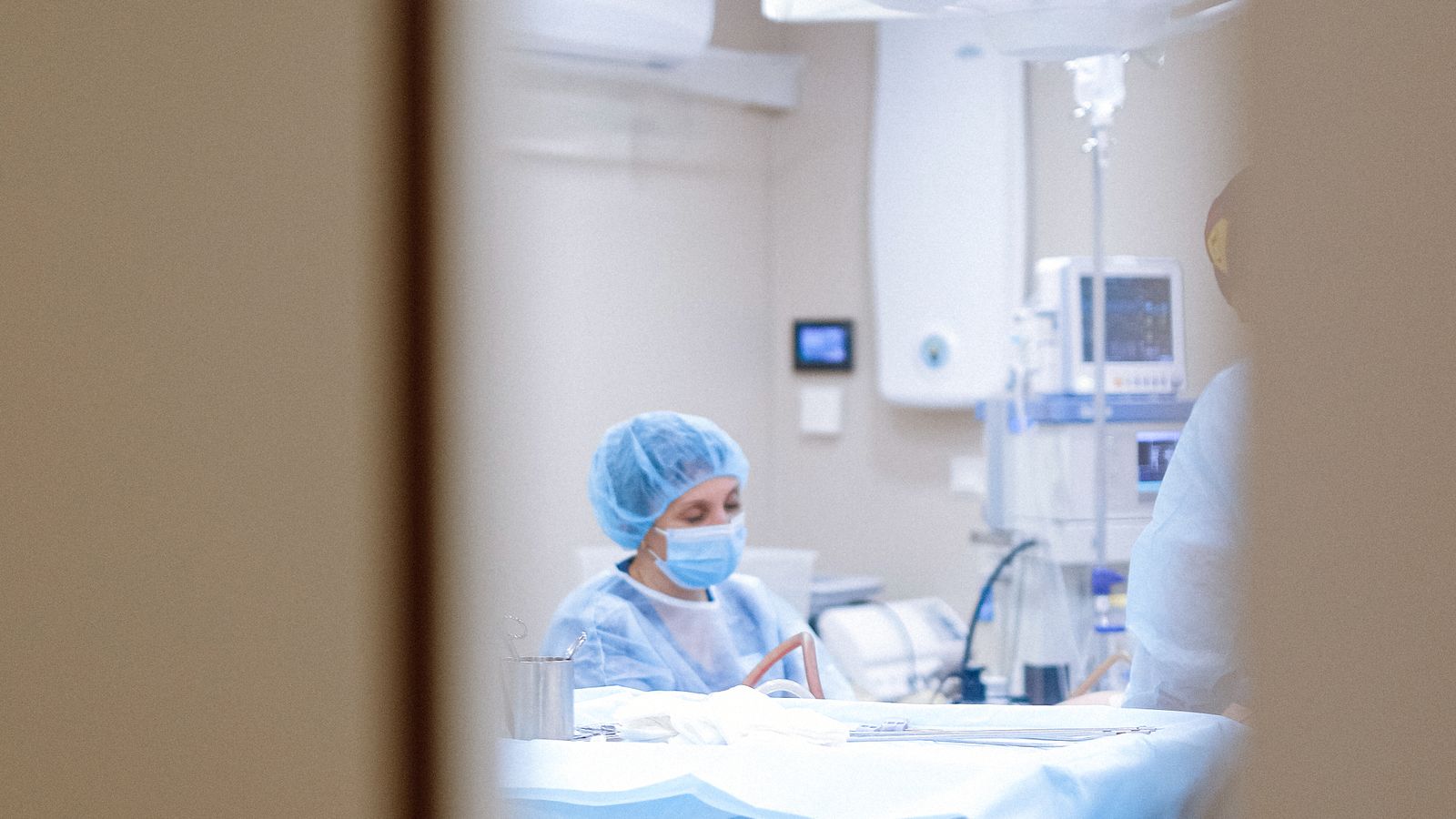
An inguinal hernia is a bulge in the groin that appears when fat or bowel pushes through a weak area of the lower abdominal wall. It causes a lump and dragging discomfort that worsen on standing, lifting or coughing. Hernias do not heal on their own, so surgical repair — often keyhole (laparoscopic) — is the definitive treatment.
An inguinal hernia is the most common type of hernia, and one of the most frequent reasons people are referred to a general or GI surgeon. It appears as a bulge in the groin or scrotum that often comes and goes at first. Although a small hernia may cause little trouble, it will not disappear on its own and can grow or, rarely, become an emergency — so timely, planned repair is the sensible choice.
इनगुइनल हर्निया भनेको पेटको तल्लो भागको कमजोर ठाउँबाट आन्द्रा वा बोसो बाहिर निस्केर काँधमा (कम्मरमुनि) डल्लो देखिने अवस्था हो, जसको उपचार शल्यक्रियाबाट मात्र सम्भव छ।
Understanding Inguinal Hernia
The abdominal wall is a layered sheet of muscle that keeps the intestines and other organs in place. Low in the groin is a natural weak point — the inguinal canal — through which structures pass to the genitals. When the wall here gives way, a sac of the abdominal lining pushes through, and fat or a loop of bowel can slide into it. This produces the characteristic soft bulge.
The lump often appears or enlarges when you stand, cough or strain, and may slip back in when you lie down. An inguinal hernia is a mechanical problem: the gap in the wall cannot knit itself back together, which is why exercises, belts or medicines cannot cure it — only surgery can close the defect.
Symptoms
- A bulge or lump in the groin, sometimes extending into the scrotum
- A dragging, aching or heavy feeling in the groin
- A lump that enlarges on standing, coughing or lifting and eases on lying down
- Discomfort or pain that worsens towards the end of the day
- A burning or pinching sensation at the bulge
- Sudden severe pain, a hard tender lump, nausea or vomiting (a warning of strangulation)
Causes & risk factors
- A natural or inherited weakness in the groin muscles
- Being male (the inguinal canal is naturally wider in men)
- Ageing, which weakens the abdominal wall over time
- Repeated heavy lifting or straining
- Chronic cough, constipation or straining to pass urine
- Pregnancy, obesity or previous groin surgery
Possible complications
- Incarceration — the hernia becomes trapped and cannot be pushed back in
- Strangulation — the blood supply to trapped bowel is cut off, a surgical emergency
- Bowel obstruction, causing pain, vomiting and swelling
- Gradual enlargement making later repair more difficult
How it is diagnosed
An inguinal hernia is usually diagnosed by a simple clinical examination — the surgeon feels the groin while you stand and cough to detect the bulge and its point of origin. When the diagnosis is unclear or the swelling is deep, an ultrasound scan of the groin can confirm it. Occasionally a CT scan is used for large or recurrent hernias to plan the repair.
Treatment options
The only reliable cure for an inguinal hernia is surgical repair. Small, painless hernias in some patients may be watched carefully, but most people are advised to have a planned repair before the hernia grows or becomes trapped. Trusses and belts may briefly control the bulge but do not fix the underlying gap and can even cause harm.
Surgical treatment
Repair involves returning the contents to the abdomen and reinforcing the weak wall, almost always with a soft mesh that dramatically lowers the chance of the hernia coming back. Dr. Sujan Shrestha performs both keyhole (laparoscopic) and open mesh repairs, choosing the approach that best suits the hernia and the patient.
The laparoscopic technique places the mesh through a few small cuts, which usually means less pain, smaller scars and a faster return to work — especially valuable for hernias on both sides or ones that have recurred. Open repair through a single small groin incision remains an excellent, well-proven option in many situations.
Recovery & aftercare
Most hernia repairs are day-care or single-night procedures. You can walk the same day and return to light activity within a few days. After keyhole repair many people resume desk work within a week; heavy lifting and strenuous exercise are usually avoided for a few weeks while the mesh integrates. Your surgeon will give clear, personalised advice.
When to see a doctor
See a doctor if you notice a groin bulge or dragging discomfort, so the hernia can be assessed and repaired before it enlarges. Seek emergency care immediately if a hernia becomes hard, very painful or cannot be pushed back, especially with nausea, vomiting or a change in the skin over the lump — these are signs of strangulation.
Frequently asked questions
No. A hernia is a physical gap in the muscle wall and cannot close on its own. Exercises, belts and medicines may ease symptoms briefly but only surgery can repair the defect permanently.
Planned hernia repair is a common, safe operation with a quick recovery. The greater risk comes from leaving a hernia until it becomes trapped or strangulated, which turns a routine repair into an emergency.
Both reinforce the weak wall with mesh. Keyhole surgery uses a few small cuts and often means less pain and a faster recovery, while open repair uses a single small groin incision. Your surgeon recommends the best option for you.
People with desk jobs often return within about a week, particularly after keyhole repair. Those doing heavy manual work usually wait a few weeks. Your surgeon will advise based on your recovery and job.
Modern mesh repair makes recurrence uncommon. Following post-operative advice — avoiding heavy lifting early on and treating chronic cough or constipation — further lowers the small chance of it returning.
Get a clear answer from a specialist
Dr. Sujan Shrestha (MBBS, MS, MCh) offers evidence-based, minimally invasive care for inguinal hernia and the full range of GI conditions.