Gallstones
Hard deposits in the gallbladder that can cause pain and, if ignored, serious complications.
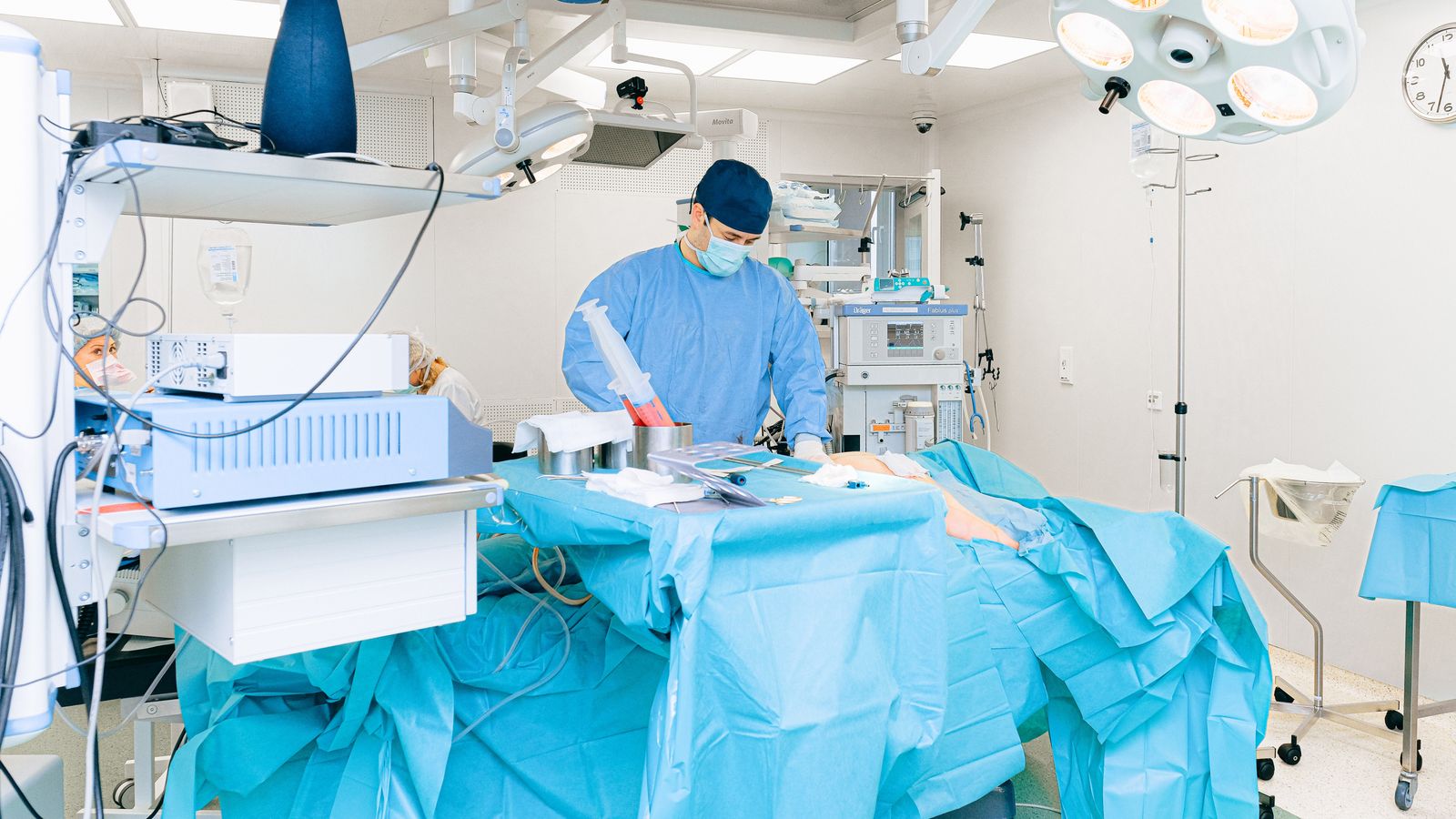
Gallstones are hardened deposits that form in the gallbladder. Many cause no symptoms, but when a stone blocks a duct it triggers pain (biliary colic), nausea and, at times, infection. The definitive treatment for symptomatic gallstones is laparoscopic (keyhole) removal of the gallbladder — a safe day-care surgery.
Gallstones are one of the most common digestive problems worldwide, and a frequent reason patients are referred to a GI surgeon. Most people with gallstones never know they have them — but for those who develop symptoms, timely, well-planned surgery prevents painful and sometimes dangerous complications.
पित्तथैलीमा बन्ने ढुंगा (गलस्टोन) प्रायः लक्षणविहीन हुन्छन्, तर दुखाइ वा संक्रमण भएमा किहोल (ल्यापरोस्कोपिक) शल्यक्रियाबाट सुरक्षित उपचार गर्न सकिन्छ।
Understanding Gallstones
The gallbladder is a small, pear-shaped organ tucked under the liver. It stores bile — a fluid the liver makes to help digest fat. When the chemistry of bile is out of balance (too much cholesterol or bilirubin), tiny crystals form and gradually clump into stones. These can range from a single stone the size of a golf ball to hundreds of tiny, gravel-like stones.
Gallstones themselves are not cancerous. The problem begins when a stone moves and blocks the outflow of bile — causing pain, inflammation, or infection.
Symptoms
- Sudden, intense pain in the upper-right or centre of the abdomen (biliary colic)
- Pain that spreads to the right shoulder or between the shoulder blades
- Nausea or vomiting, often after fatty or heavy meals
- Bloating, indigestion and belching
- Pain lasting from 30 minutes to several hours
- Fever, chills or yellowing of the skin/eyes (a sign of a serious blockage)
Causes & risk factors
- Bile with too much cholesterol
- Being female, especially with previous pregnancies
- Age over 40
- Being overweight or rapid weight loss / crash dieting
- A diet high in fat and low in fibre
- Diabetes or a family history of gallstones
Possible complications
- Acute cholecystitis — a painful, infected gallbladder
- Blockage of the bile duct (obstructive jaundice)
- Acute pancreatitis if a stone blocks the pancreatic duct
- Infection of the bile ducts (cholangitis), which can be life-threatening
How it is diagnosed
Gallstones are usually confirmed with a simple abdominal ultrasound — a quick, painless scan that detects most stones. Blood tests check for infection and liver involvement. If a stone is suspected in the main bile duct, an MRCP scan or endoscopic evaluation may be advised before surgery.
Treatment options
Gallstones that cause no symptoms usually need only observation. Once they cause pain or complications, medicines and dietary changes may ease an episode but cannot dissolve the stones or stop them recurring. For symptomatic gallstones, the reliable, long-term solution is to remove the gallbladder.
Surgical treatment
The standard treatment is laparoscopic cholecystectomy — keyhole removal of the gallbladder through a few small (5–10 mm) cuts, using a camera and fine instruments. Dr. Sujan Shrestha performs this as a minimally invasive, often day-care procedure. Because the gallbladder only stores bile, life and digestion continue normally without it.
Compared with traditional open surgery, the keyhole approach means far less pain, tiny scars, a shorter hospital stay and a quicker return to work.
Recovery & aftercare
Most patients go home the same day or the next morning and return to light activity within a few days. You may be advised to ease back into fatty foods gradually. Full recovery after keyhole surgery typically takes one to two weeks, compared with several weeks for open surgery.
When to see a doctor
See a doctor promptly if you have repeated upper-abdominal pain after meals. Seek urgent care if you develop fever, persistent severe pain, or yellowing of the skin or eyes — these can signal infection or a blocked bile duct that needs immediate treatment.
Frequently asked questions
Gallstones do not dissolve on their own. Medicines rarely dissolve them and stones usually return. Once gallstones cause symptoms, removing the gallbladder is the only lasting cure.
Laparoscopic cholecystectomy is one of the most commonly performed and safest abdominal operations. Serious complications are uncommon, and most patients go home within a day.
Yes. The gallbladder only stores bile; the liver continues to produce it. After a short adjustment period, digestion is normal and there are no long-term dietary restrictions for most people.
Untreated symptomatic gallstones can lead to a painful infected gallbladder, jaundice, or pancreatitis — complications that are more serious and harder to treat than planned keyhole surgery.
Most people return to light activities within a few days and to full routine within one to two weeks, thanks to the small incisions used in the laparoscopic approach.
Get a clear answer from a specialist
Dr. Sujan Shrestha (MBBS, MS, MCh) offers evidence-based, minimally invasive care for gallstones and the full range of GI conditions.