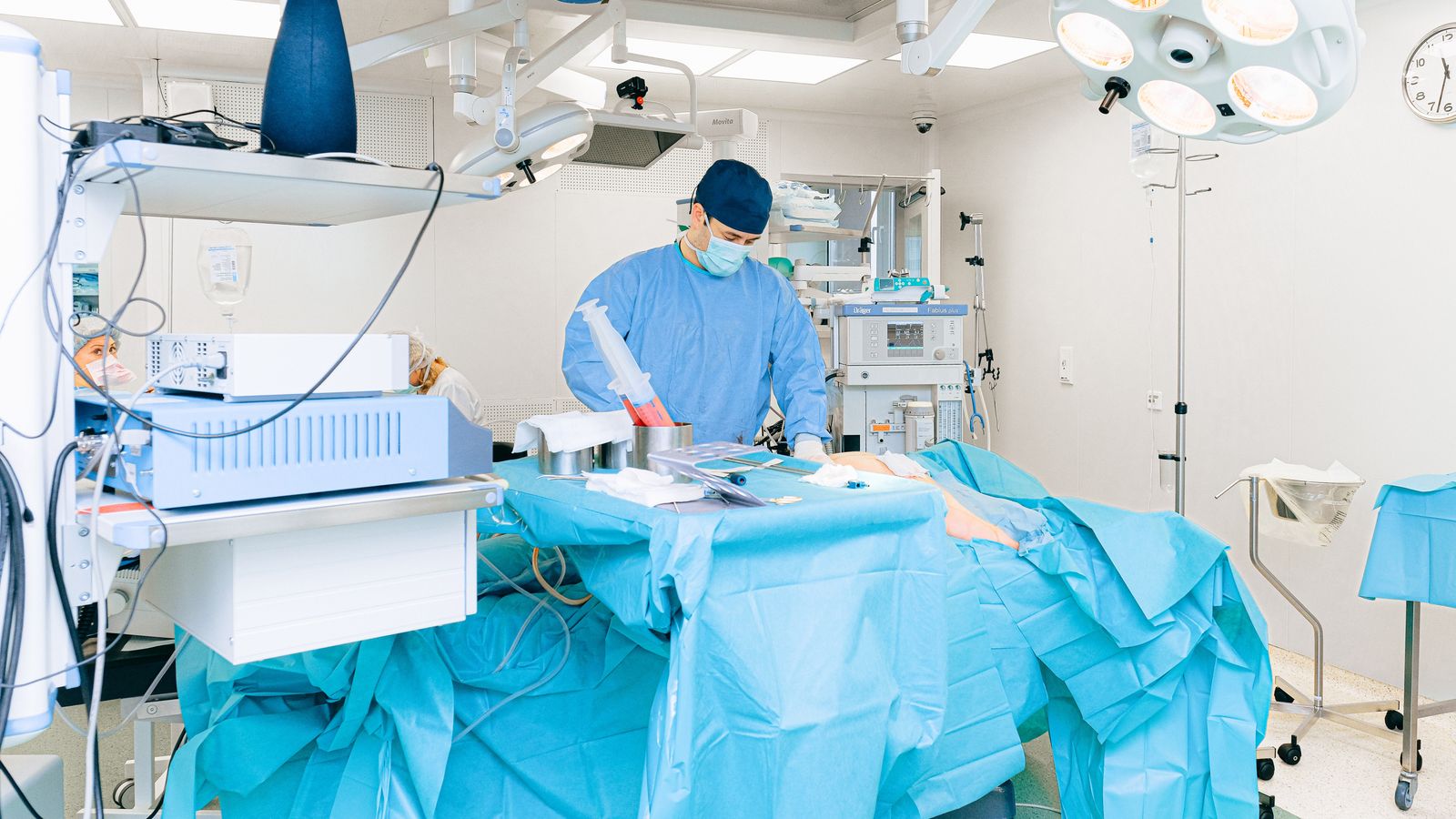
The cost of hernia surgery in Nepal depends on the type of repair (open or laparoscopic), the mesh used, the hospital and room chosen, anaesthesia, pre-operative tests and any insurance. Most people recover from a routine repair over a few weeks, returning to light activity within days and heavier work later. Contact the clinic for a personalised quote.
If you have been told you need a hernia repair, two questions usually come first: how much will it cost, and how long will recovery take? Both are completely reasonable concerns, but neither has a single fixed answer. The final cost depends on several medical and practical choices, and recovery varies from person to person depending on the type of hernia, the surgical technique used and your general health. This guide explains — in plain language — what actually drives the cost of hernia surgery, why surgeons so often use a mesh, and what a typical recovery looks like from the day of the operation through the weeks that follow. Our aim is to help you plan sensibly and know which questions to ask. For a figure and a plan tailored to your own situation, the most reliable step is always a face-to-face consultation, because only then can the exact type of repair and the resources it needs be confirmed. Please treat everything here as general background rather than a personalised quote or a medical instruction for your particular case, and raise anything that worries you directly with your surgeon so that nothing is left unclear before you decide. Understanding these factors in advance also makes the conversation about cost feel far more straightforward when you do come in for your visit.
What factors affect the cost of hernia surgery in Nepal?
The cost of hernia surgery is not a single fixed price. It is shaped by the type of hernia, whether the repair is open or keyhole, the mesh used, the hospital and room chosen, the anaesthesia, and any pre-operative tests. To get an accurate figure, it is best to book a consultation.
- Type and complexity of the hernia — a small, straightforward primary hernia is simpler and quicker to treat than a large, long-standing or recurrent one that needs more time in the operating theatre and sometimes a bigger repair.
- Surgical technique — open repair through one incision and laparoscopic (keyhole) repair through several small cuts differ in the instruments, camera equipment and theatre time involved, and this can be reflected in the overall cost.
- The mesh used — whether a mesh is needed at all, and the specific type and size chosen for your particular repair, can influence the final figure.
- Type of anaesthesia — local, regional (spinal) or general anaesthesia each involve different medicines, monitoring and staff, and are chosen to suit both you and the operation planned.
- Hospital and room category — the facility itself, and whether you choose a general ward or a private room for any stay, both affect the total bill you receive.
- Pre-operative tests — blood tests, an ECG, imaging and any specialist review arranged before surgery to confirm you are fit for anaesthesia all add to the overall picture.
- Length of stay — a day-case procedure where you go home the same day differs in cost from one that requires an overnight or a longer admission.
- Insurance cover — whether part of the cost is met by a health scheme or insurance policy changes what you finally pay out of your own pocket.
- Any additional treatment needed — occasionally more than one hernia is found, or another procedure is advised at the same sitting, and any extra tests, medicines or follow-up visits will naturally affect the overall cost.
Why is mesh used in hernia repair?
Mesh is a soft, flexible sheet — usually made of a medical-grade synthetic material — that a surgeon places to reinforce the weak area of the abdominal or groin wall. It works like a patch, supporting the tissue while your body heals a strong layer of its own around it. Mesh repair is now standard for most hernias.
- It creates a tension-free repair — instead of pulling weakened muscle edges together under strain, the mesh bridges the gap so the repair sits comfortably and is far less likely to pull apart.
- It lowers the recurrence rate — spreading the load across a reinforced area significantly reduces the chance of the hernia returning compared with the older stitch-only repairs.
- It becomes part of your body — over the weeks after surgery your own tissue grows through and around the mesh, incorporating it securely into the abdominal wall.
- It suits different techniques — mesh comes in a range of shapes and materials designed for either open or keyhole repair, so it can be matched to your operation.
- It is generally very well tolerated — mesh has been used for many years, and most people never notice it once they have healed and returned to normal life.
- It is not always required — for very small hernias or in particular circumstances a surgeon may still advise a stitch-only repair, and this is discussed with you case by case.
What is the difference between open and laparoscopic hernia repair?
Open repair uses one larger incision directly over the hernia, while laparoscopic (keyhole) repair uses a few small cuts through which a camera and fine instruments are passed. Both return the tissue to its place and reinforce the wall, usually with mesh. The best choice depends on the hernia, its size and your overall health.
Keyhole repair often means smaller scars, less discomfort after surgery and a faster return to normal activity for suitable patients, which is one reason many groin and abdominal hernias are treated this way. You can read about the technique and what it involves on our laparoscopic hernia repair page. That said, open repair remains an excellent, well-proven option and is sometimes the more appropriate choice — for example with certain very large hernias, particular previous operations, or specific patient circumstances. Neither approach is automatically better for everyone; what matters is matching the technique to your hernia and your health. Cost can differ between the two because of the equipment and theatre time involved, but the total is influenced by many other factors too, so it is best not to assume one is always cheaper than the other. During your visit the surgeon can explain which approach suits you, why, and what each would involve for your recovery and your return to work, so that you can make an informed decision together rather than choosing on price alone. Recovery, scarring and the length of time you need off work can all differ between the two approaches, so these are worth weighing up alongside the cost. Asking these questions openly at the consultation is the surest way to avoid surprises later and to feel confident about the plan.
How long does recovery from hernia surgery take?
Recovery varies with the type of hernia and the technique used, but many people having a routine repair go home the same day or after a short stay, walk gently within hours, and return to light daily activities within a few days to a week. Heavier lifting and strenuous work usually wait several weeks while the repair strengthens.
How can I support a smooth recovery at home?
A smooth recovery comes from gentle, steady movement, good wound care, and avoiding anything that strains the repair too soon. Walking a little and often helps your circulation, while heavy lifting and vigorous exercise are best avoided until your surgeon clears you. Eating well, staying hydrated and managing constipation all prevent unnecessary straining on the fresh repair.
- Walk gently and regularly from the first day, building up the distance as your comfort allows rather than resting in bed for long unbroken periods, which helps prevent stiffness and clots.
- Avoid heavy lifting, pushing and straining until your surgeon confirms it is safe, which is usually a matter of weeks depending on the repair and the demands of your job.
- Keep the wound clean and dry, follow the dressing advice you are given, and watch for any signs of infection such as spreading redness, swelling, warmth or discharge.
- Take the pain relief you are prescribed so that you can move about comfortably and breathe deeply, which in turn helps prevent chest infections after surgery.
- Eat a balanced diet with plenty of fibre and drink enough fluids to keep your bowels regular and avoid the constipation and hard straining that press on a fresh repair.
- Support the wound gently with your hand when you need to cough, sneeze or laugh in the first days after your operation.
- Rest when you feel tired, but change position and get up to move around regularly rather than staying completely still for hours at a stretch.
- Attend your follow-up appointments and report any new or worsening pain, swelling, redness or fever promptly rather than waiting for the next scheduled visit.
Which hernias should be treated sooner rather than later?
A hernia that is growing, becoming more painful, or getting harder to push back in should be reviewed promptly, because these can be early signs of it becoming trapped. Certain hernias, such as femoral hernias in the groin, carry a higher risk of complications and are usually repaired without long delay. Your surgeon can advise on timing.
Groin hernias in particular are very common and usually benefit from planned repair before they enlarge — our guide to inguinal hernia explains this in more detail. Arranging surgery while you are otherwise well and the hernia is still straightforward is generally easier, safer and more predictable, both medically and in terms of cost, than waiting until it becomes an emergency in the middle of the night. An emergency operation on a trapped hernia is a bigger undertaking, often needs a longer hospital stay, and carries more risk than the same repair done in a planned, unhurried way. That said, this does not mean every hernia must be operated on straight away; some small, symptom-free hernias can reasonably be monitored for a time, with repair considered if they grow or begin to bother you. The key is to have any hernia assessed by a surgeon so that you understand its likely course and are not caught out by a sudden, painful complication. If you are unsure whether your hernia should be repaired now or simply watched, the safest course is to have it reviewed and to book an appointment so a clear plan can be made that fits your health, your work and your circumstances. In the meantime, treating constipation, avoiding very heavy lifting and stopping smoking can all reduce the strain on a hernia while you wait for a planned repair.
This article offers general educational information only and is not a substitute for a professional consultation, diagnosis or treatment. Costs, techniques and recovery all depend on your individual circumstances, which can only be assessed in person by a qualified surgeon. For a personalised plan and an accurate cost estimate for your hernia, please book an appointment with Dr. Sujan Shrestha, who will be glad to answer your questions and guide you through every step.