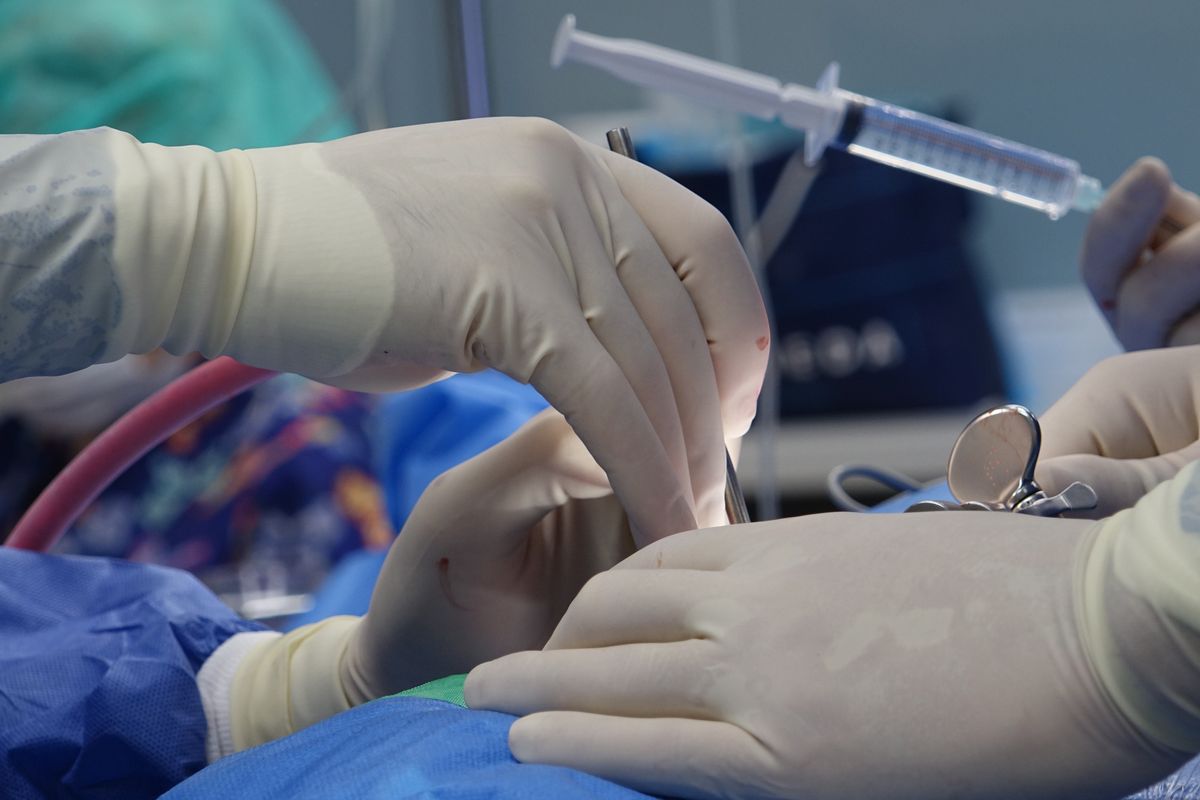
Yes, laparoscopic (keyhole) surgery is considered very safe and is the preferred, standard approach for many abdominal operations. Working through a few tiny incisions, it offers less pain, smaller scars and a faster recovery than open surgery. Serious complications are uncommon, though every procedure carries some risk your surgeon will explain beforehand.
Laparoscopic surgery, often called keyhole surgery or minimally invasive surgery, has transformed the way many abdominal operations are performed. Instead of one long cut across the belly, the surgeon works through a few tiny openings, each usually less than a centimetre wide. A slim, lighted telescope called a laparoscope carries a magnified picture to a monitor, and fine instruments are passed through the other openings. If you or a family member has been advised to have keyhole surgery, it is completely natural to feel anxious and to ask how safe it really is. The reassuring answer is that laparoscopic surgery is well established, practised every day across the world, and considered the preferred approach for many common operations. This guide explains the benefits, the possible complications, and what recovery usually involves. Along the way we look at which operations can be carried out through keyhole incisions, how a surgeon decides whether it is the right choice for you, and the simple, practical steps that help you heal well afterwards, so that you can walk into your consultation feeling informed rather than uncertain.
What exactly is laparoscopic (keyhole) surgery?
Laparoscopic surgery is a technique in which an operation is carried out through several small incisions rather than one large cut. The abdomen is gently inflated with carbon dioxide gas to create working space, and a camera and slender instruments are inserted through the openings. The surgeon then operates while watching a clear, magnified view on a high-definition screen.
Is laparoscopic surgery safe?
Yes. Laparoscopic surgery is regarded as very safe and is the standard technique for many procedures performed around the world every day. Serious complications are uncommon when the operation is done by a trained team. As with any surgery there are some risks, but for suitable patients the keyhole approach is often gentler and safer than open surgery.
How safe any operation is depends on several factors working together: the type of procedure being carried out, your overall state of health, and the experience of the surgical and anaesthetic team. Existing conditions such as heart or lung disease, diabetes, obesity, or scarring from previous abdominal operations can all add complexity, which is precisely why a thorough pre-operative assessment matters so much. During that assessment your surgeon reviews your medical history in detail, examines you, and may arrange blood tests, imaging, or a heart tracing to make sure that both the anaesthetic and the operation are as safe as possible for you as an individual. You can read more about the full range of procedures offered on our laparoscopic surgery page. It is worth remembering that surgeons do not choose the keyhole route simply because it is modern; they choose it because, for the right patient and the right condition, it usually means less trauma to the body wall, a lower chance of wound-related problems, and a smoother, faster recovery. It is also normal for a surgeon to begin an operation laparoscopically and, if the view is unclear or the anatomy is unusually difficult, to change to an open approach partway through. This is a sensible safety decision, not a failure. Modern anaesthesia and monitoring have also made surgery considerably safer than in the past, with your heart rate, breathing, and oxygen levels watched closely from start to finish. Measures to prevent blood clots, such as compression stockings and early walking, together with careful attention to sterility, reduce the risks further still. Being open with your team about your regular medicines, allergies, herbal supplements, and any tendency to bleed helps them plan the safest possible care for you, and it is always reasonable to ask your surgeon how often they perform the operation you need. In experienced hands, the great majority of keyhole operations are completed without any difficulty, and patients go on to recover well.
What are the benefits of keyhole surgery?
The benefits of laparoscopic surgery flow directly from its small incisions. Because the cuts are so small, most patients have less pain, less blood loss, and far smaller scars than they would after open surgery. Recovery tends to be quicker, hospital stays are frequently shorter, and many people are able to return to their normal routine sooner.
- Much smaller incisions and far less noticeable scarring once healed
- Less pain after the operation and often a lower need for strong painkillers
- Reduced blood loss during surgery
- A shorter hospital stay, with many procedures allowing you home within a day or two
- A faster return to work, driving, exercise, and everyday activities
- A lower risk of wound infection and of large incisional hernias later on
- A magnified, brightly lit view that helps the surgeon work with fine precision
- Less handling of the internal organs, which can help the bowel settle more quickly
What are the risks and possible complications?
No operation is completely free of risk. Laparoscopic surgery carries the general risks of any surgery, such as bleeding, infection, and a reaction to the anaesthetic, along with a few specific to the technique itself. Serious problems are uncommon, and before you sign your consent form your surgeon will clearly explain the particular risks that apply to your operation.
- Bleeding or bruising around the small incision sites
- Infection of a wound or, less commonly, inside the abdomen
- Injury to a nearby organ, blood vessel, or the bowel, which is uncommon but possible
- Blood clots forming in the legs or lungs, particularly after longer operations
- Shoulder-tip or upper-abdominal discomfort caused by the gas used during surgery
- An adverse reaction to the general anaesthetic
- A hernia developing at one of the incision sites later on
- The occasional need to switch to open surgery if that is safer on the day
Which operations can be performed laparoscopically?
A wide range of abdominal operations can now be carried out with keyhole techniques. Gallbladder removal, known as laparoscopic cholecystectomy, is among the most common, but the approach is also used for many hernia repairs, appendix removal, and selected bowel, stomach, and anti-reflux operations. Your surgeon will advise whether it suits your particular condition.
The list of operations that can be performed with keyhole techniques has grown steadily over the years as instruments and cameras have improved. Many types of hernia, including inguinal (groin) and hiatus hernias, can be repaired laparoscopically, as can removal of an inflamed appendix. The approach is also widely used for anti-reflux surgery for severe heartburn, for weight-loss (bariatric) procedures, and for a range of operations on the bowel, stomach, and other abdominal organs, including the removal of some cancers where it is appropriate. That said, keyhole surgery is not automatically the best choice for every person or every situation. Extensive scarring from previous operations, certain emergencies, very advanced disease, or particular anatomy may make an open operation safer or more practical. Your surgeon weighs all of these factors when recommending an approach and will explain honestly why one route is being suggested over another. In an emergency, such as a badly inflamed gallbladder or appendix, keyhole surgery can still often be performed, although the surgeon may have a lower threshold for converting to an open operation if the tissues are very swollen or difficult to see. For planned operations there is usually time to improve your general health first, which benefits both safety and recovery. Robotic-assisted surgery, an advanced form of the keyhole approach in which the surgeon controls the instruments from a console, is also becoming more widely available for certain complex procedures. You can explore the range of procedures on our laparoscopic surgery page, and any advice will be tailored to your own health, your scans, and your priorities rather than offering a one-size-fits-all answer.
What is recovery like, and how can you help it go smoothly?
Recovery after keyhole surgery is usually quicker than after open surgery, though it still takes time and varies with the procedure. Many patients go home the same day or the next, feel sore for a few days, and gradually build back to normal over one to three weeks. Following your team's after-care advice makes a real difference.
In the first days at home it is completely normal to feel tired and to have some soreness at the tiny incision sites and, occasionally, an aching feeling in the shoulders or upper abdomen caused by the small amount of gas used during the operation; this discomfort eases on its own within a day or two. Gentle, regular walking from the day of surgery is one of the most helpful things you can do, because it improves your circulation, lowers the risk of blood clots forming in the legs, and encourages the bowel to start working again. Most teams advise beginning with light, easily digested meals, drinking plenty of fluids, keeping the small wounds clean and dry, and taking simple pain relief as directed. It is sensible to avoid heavy lifting, vigorous exercise, and straining until your surgeon confirms it is safe, and to arrange for a family member to help at home for the first day or two, since you must not drive or make important decisions immediately after a general anaesthetic. Preparing well before the operation matters just as much as the recovery afterwards; arriving reasonably fit, well hydrated, having stopped smoking if you can, and with any long-term conditions well controlled all help the whole process go more smoothly. Stitches are often dissolvable, and any dressings can usually be removed after a few days as your team advises. Mild constipation is common after an anaesthetic and after pain-relief medicines, so gentle fibre, plenty of fluids, and regular movement all help keep things comfortable in the first week. Most people are pleasantly surprised by how quickly they begin to feel like themselves again, but try not to measure your progress too closely against anyone else, because the pace of healing is genuinely individual and depends on the operation, your age, and your general health. If you would like to discuss whether a keyhole approach is suitable for you, you are very welcome to book a consultation for a personal assessment.
This article is intended as general educational information and is not a substitute for a professional medical consultation. Every person and every operation is different, so any decisions about surgery should be made together with a qualified surgeon who knows your full history and can examine you. If you have been advised to have keyhole surgery, or simply want clear answers to your questions, please book an appointment with Dr. Sujan Shrestha for personalised advice.