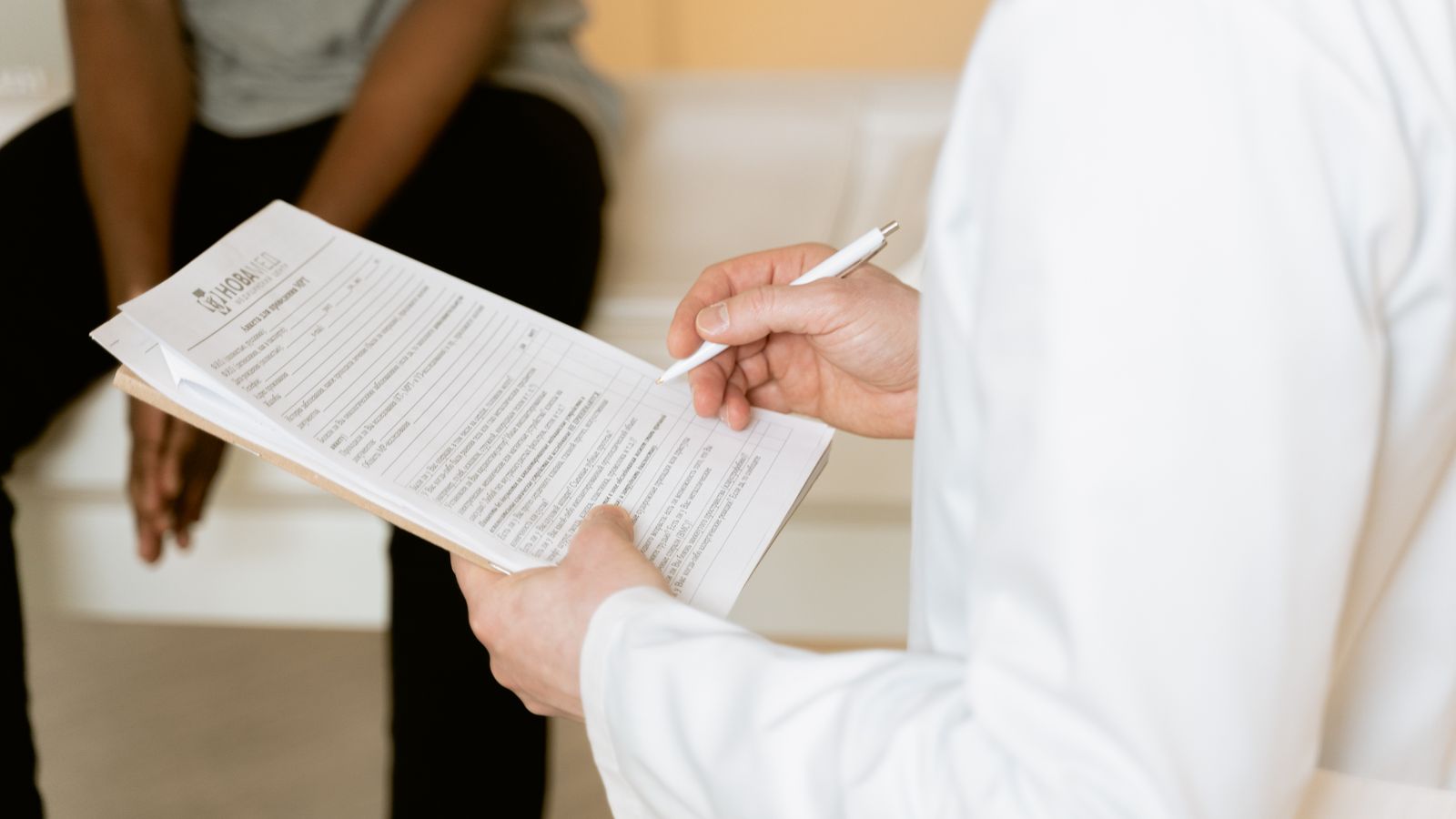
Preparing for laparoscopic surgery means completing your pre-operative tests, following fasting instructions, telling your team about all your medications, arranging a ride home and help for the first days, and stopping smoking where possible. Good preparation lowers risk and helps recovery. Always follow the specific instructions your own surgical team gives you.
Laparoscopic, or keyhole, surgery is performed through a few small incisions using a camera and fine instruments rather than one large cut. For suitable operations it usually means smaller scars, less discomfort and a faster recovery than traditional open surgery. Even so, it is still a real operation carried out under anaesthesia, and how well you prepare in the days and weeks beforehand can make a genuine difference to how smoothly everything goes and how quickly you get back on your feet. This checklist walks you through the practical steps of preparing for a keyhole procedure — from pre-operative tests and fasting to organising help at home — so that nothing important is left to the last minute. You can read more about what these operations involve on our laparoscopic surgery page. Think of everything below as a general guide rather than a set of personal instructions. Your own surgical and anaesthetic team will always give you specific directions for your operation, and wherever their advice differs from anything written here, you should follow their instructions, because they are based on your individual health and the exact procedure planned for you. A calm, well-organised approach also tends to ease the natural nervousness that comes before any operation.
What tests are done before laparoscopic surgery?
Before laparoscopic surgery you will have a set of pre-operative checks to confirm you are fit for anaesthesia and to plan the procedure safely. These often include blood tests, sometimes an ECG heart tracing and a chest assessment, and any scans relevant to your condition. Your surgeon may also arrange a review with the anaesthetist.
These tests are there to help the team spot and manage anything — such as anaemia, uncontrolled blood sugar, or heart and lung problems — that could affect the operation or your recovery. Sorting these out in advance is one of the most useful things you can do, so complete the tests in good time rather than at the last moment, and bring the results with you to your appointments. If any result needs attention, it is far better to know before the day of surgery, when there is time to act on it, than to have the operation delayed at short notice. If you have a heart, lung, kidney or thyroid condition, are older, or take several regular medicines, you may need a few extra checks, and being open about your full medical history helps the team plan the safest possible anaesthetic for you. It is also worth telling the team if you develop a cold, cough, fever or any new illness in the days before surgery, because an active infection can sometimes mean the operation is safer postponed for a short while. Keep copies of your reports together in one folder so nothing is mislaid, and do not hesitate to ask what a particular test is for if you are unsure, because understanding the process often makes it feel far less daunting. It also helps to bring a short written summary of your past operations, ongoing conditions and any previous problems with anaesthesia, so the team has the full picture as they prepare.
How should I manage my medications before surgery?
Tell your surgical team about every medicine you take — prescription drugs, over-the-counter remedies, herbal products and supplements — well before the operation. Some, especially blood thinners and certain diabetes and anti-inflammatory medicines, may need to be paused or adjusted. Never stop or change a prescribed medication on your own; always do it on your team's advice.
- Make a complete written list of all your medicines, supplements and herbal products, together with their doses and how often you take them, and keep it with your documents.
- Highlight any blood thinners such as warfarin, aspirin or clopidogrel, because these often need specific instructions in the days before surgery to reduce the risk of bleeding.
- Mention diabetes medicines and insulin, which usually need adjusting around the fasting period to keep your blood sugar within a safe range on the day.
- Tell the team about any allergies, particularly to medicines, latex or anaesthetic agents, and describe exactly what reaction you had previously.
- Do not start any new supplement or herbal remedy close to surgery without checking first, as some can affect bleeding or interact with anaesthetic drugs.
- Confirm clearly which of your regular tablets to take, and with how much water, on the morning of the operation, and which ones to hold back.
- Bring the actual boxes or strips of your medicines to your pre-operative appointment if you are unsure of the names, as this helps avoid any confusion.
- If you take medicines for your heart, blood pressure, thyroid or epilepsy, ask specifically whether these should be continued as normal, since many of them are.
- Stock up in advance on any regular medicines and the simple pain relief you are allowed, so you are not caught short in the first days back at home.
Why do I need to fast before surgery?
Fasting means having an empty stomach before anaesthesia, which lowers the risk of stomach contents coming up into the lungs while you are asleep. Your team will give you exact timings — often no solid food for several hours beforehand, with clear fluids sometimes allowed until a set cut-off. If you eat or drink by mistake, tell the team promptly.
What should I do in the days and weeks before surgery?
The weeks before surgery are a chance to get your body and your home ready. If you smoke, stopping even a few weeks beforehand improves your circulation and healing. Eating well, staying active within your limits and keeping conditions like diabetes and blood pressure controlled all help you recover, and planning ahead at home makes the first days easier.
- Stop smoking as early as you can before surgery to improve wound healing and reduce the risk of chest and wound complications afterwards.
- Eat a balanced, nourishing diet and stay well hydrated in the run-up to your operation to give your body the best possible start for healing.
- Keep any long-term conditions, such as diabetes or high blood pressure, as well controlled as you can before the day of surgery.
- Arrange for a responsible adult to take you home after surgery and, ideally, to stay with you for the first night in case you need help.
- Prepare easy meals in advance and place clothing, chargers and anything else you will need within easy reach so you avoid bending or stretching.
- Sort out time off work and any help you may need with childcare, cooking, shopping or heavy chores while you recover.
- Buy loose, comfortable clothing that will not press on your small wounds, and keep the home clear of trip hazards for the first days.
- Arrange your sleeping area so you can get in and out of bed easily, and keep water, your phone and any medicines on a bedside table.
- Confirm the date, time and location of your surgery, and plan how you will get there, so the morning itself is as calm and unhurried as possible.
What should I bring and expect on the day of surgery?
On the day of your operation, arrive at the time you are given, having followed your fasting and medication instructions. You will be checked in, change into a gown, and meet the surgical and anaesthetic team, who will confirm the plan and answer any last questions. Wear loose, comfortable clothing and leave jewellery and valuables at home.
- Your identity and hospital registration documents, along with any admission paperwork you have been asked to complete beforehand.
- Your written list of medicines, doses and allergies, so the team has an accurate record even if you feel nervous on the day.
- Any recent test or scan results you have been given to keep, as these may be needed before you go to theatre.
- A small overnight bag with essentials such as toiletries, medicines and a change of clothes in case a short stay is needed.
- A phone and charger, plus the written contact details of the responsible adult who will collect you and stay with you afterwards.
- Loose, comfortable clothes and flat, easy-to-wear shoes, and your glasses or hearing aid case if you use them.
- Your appointment letter or reference number if you were given one, and a small amount of money or a card for any incidental costs.
- A book, phone or something else to help pass the time, as there is often some waiting both before and after your procedure.
How do I plan for recovery after keyhole surgery?
Planning your recovery before you go in makes the days afterwards smoother. Arrange for a responsible adult to drive you home and stay with you for the first 24 hours, because you should not drive or make important decisions after anaesthesia. Set up a comfortable place to rest, keep essentials within reach, and know who to call with any concerns.
Most people recovering from keyhole surgery are encouraged to move gently and often, gradually increasing their activity while avoiding heavy lifting and strenuous work until the surgeon gives the go-ahead. Take any pain relief as advised so that you can move and breathe comfortably, keep your small wounds clean and dry, eat well and stay hydrated, and attend your follow-up appointment. It is normal to feel a little bloated or to have some shoulder-tip discomfort for a day or two after keyhole surgery, caused by the harmless gas used to inflate the abdomen, and this eases as the gas is gradually absorbed. Gentle daily walks and getting up to move regularly also help lower the small risk of blood clots that follows any operation. Recovery times vary with the exact procedure and your general health, so use the personalised advice your team gives you rather than comparing yourself with other people. It also helps to read a little about the procedure in advance on our laparoscopic surgery page so you know roughly what to expect at each stage. Preparing your home, your medicines and your transport ahead of time means you can simply rest and heal afterwards instead of scrambling to organise things while you are sore and tired. If you have questions before your date, or you simply want to talk your preparation through with an expert, you are always welcome to book a consultation with the team.
This article gives general educational information only and is not a substitute for a professional consultation or the specific instructions of your own surgical team. Preparation and recovery vary from person to person and depend on the exact procedure planned. To discuss your operation, understand exactly how to prepare, and get advice tailored to you, please book an appointment with Dr. Sujan Shrestha, whose team is always happy to answer your questions and guide you through each step of your preparation and recovery.