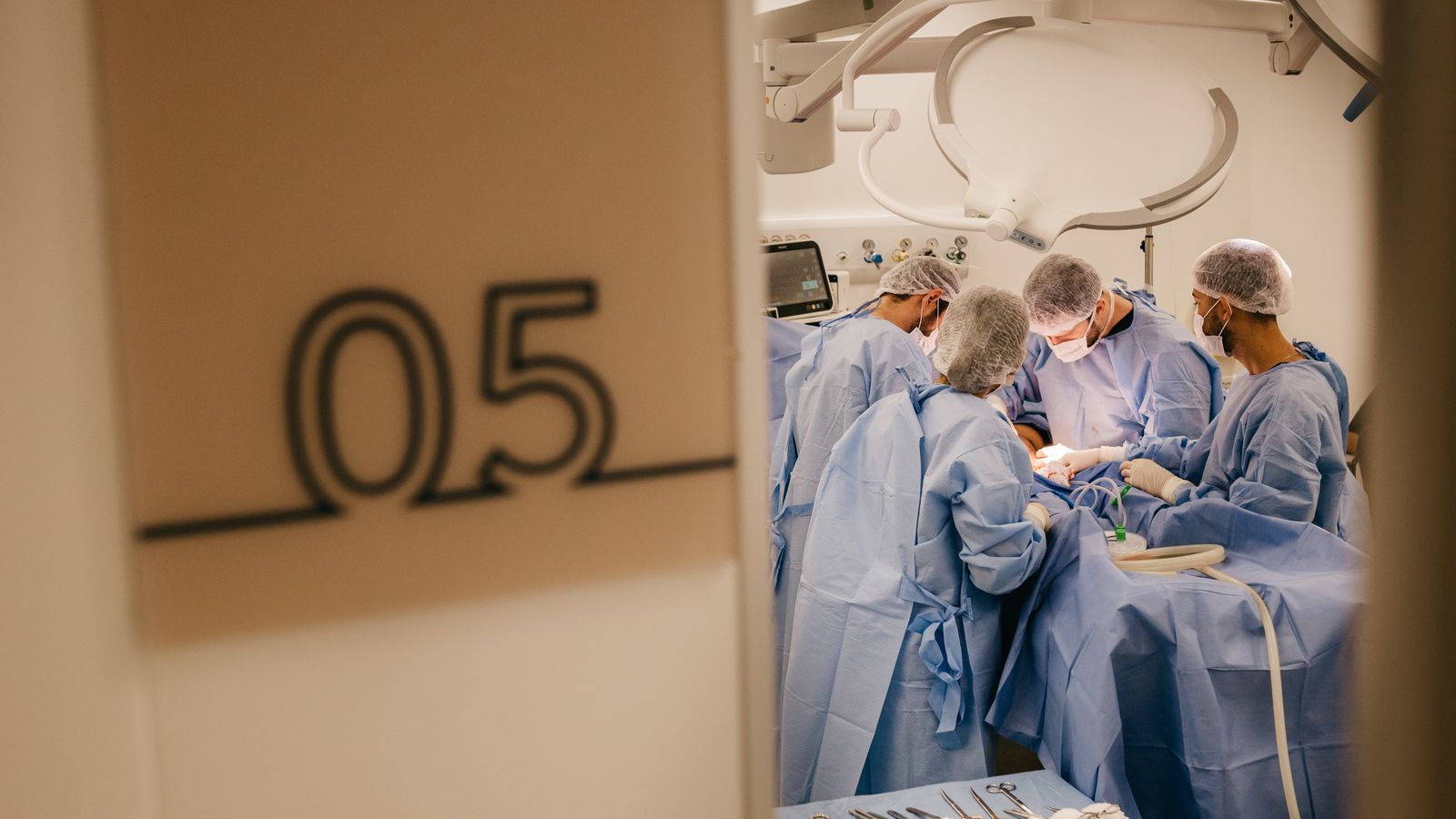
A pilonidal sinus is a small hair-filled tunnel near the top of the buttock cleft that can become painfully infected. Treatment ranges from draining an abscess to definitive surgery or laser-assisted removal of the sinus. Recovery varies from days to several weeks, and keeping the area clean and hair-free helps prevent it returning.
A pilonidal sinus is a small tunnel or cavity in the skin, usually in the cleft at the top of the buttocks, that can trap hair and debris and become infected. It most often affects young adults, and men more than women, and can range from a painless dimple noticed by chance to a painful, swollen abscess that makes sitting unbearable. The reassuring news is that this is a well-understood condition with several effective treatments, from simple drainage of an infection to definitive surgery that removes the sinus for good. This guide explains what a pilonidal sinus is, how it is treated, what recovery really involves, and how to lower the chance of it returning. For a condition overview you can also read our page on pilonidal sinus. If you are reading this because a lump has suddenly become painful, know that relief is usually quick once it is drained, and that with the right treatment and a few simple habits afterwards, most people put the problem behind them for good.
What is a pilonidal sinus, and what causes it?
A pilonidal sinus is a small channel under the skin, most often in the natal cleft between the buttocks, that becomes filled with hair, skin debris and sometimes infection. It develops when loose hairs are driven into the skin, triggering a foreign-body reaction that forms a tunnel. It can stay silent for years or suddenly flare into a painful abscess that needs urgent relief.
The underlying cause is a combination of loose hair, friction and pressure in the cleft, and several factors make it more likely: being male, having thick or coarse body hair, a deep natal cleft, spending long hours sitting, carrying excess weight, and a family tendency towards the condition. It was once nicknamed "jeep driver's disease", because prolonged sitting and jolting seemed to provoke it in drivers. Once a hair works its way beneath the skin, the body treats it as a foreign object and a chronic sinus tract forms, which can intermittently discharge, become blocked, and flare into infection. Understanding this mechanism matters a great deal, because prevention after treatment focuses squarely on keeping the area clean, dry and free of loose hair, so that the very same process cannot quietly start all over again. It also explains why the condition tends to appear in the late teens and twenties, when body hair is thickest and lifestyles often involve a lot of sitting, and why it becomes less common with age as hair growth in the area naturally changes.
What are the symptoms of a pilonidal sinus?
Symptoms range from none at all to significant pain. Many people first notice a small dimple, pit or painless lump near the top of the buttock cleft. When it becomes infected, it can cause a tender, swollen, red lump, throbbing pain that worsens on sitting, and a discharge of pus or blood that sometimes has an unpleasant smell, occasionally accompanied by a fever and feeling generally unwell.
- One or more small pits, dimples or openings in the skin at the top of the buttock cleft, sometimes with a visible tuft of hair emerging from them.
- A tender, warm, swollen lump when the sinus becomes infected and an abscess forms, often making sitting, bending or lying on your back painful.
- Discharge of pus, blood or a clear fluid from the opening, which may stain underwear and sometimes carries an unpleasant smell.
- Throbbing or aching pain in the area that tends to build steadily over a day or two as an abscess develops beneath the skin.
- Redness and heat over the affected skin, which usually signal active infection that will not settle on its own.
- A low-grade fever, shivering or a general feeling of being unwell during a significant flare-up of infection.
- Recurrent episodes of the same problem settling and then returning weeks or months later, which is typical of an untreated chronic sinus.
What are the treatment options for a pilonidal sinus?
Treatment depends on whether there is active infection and how troublesome the sinus is. An acute abscess is usually treated first with a small incision to drain the pus and relieve pain. A chronic or recurrent sinus is then dealt with definitively, and the options range from minimally invasive, laser-assisted techniques through to surgical removal of the sinus and all its tracts. It is helpful to think of treatment in two stages: first calming any active infection, and then, once things have settled, addressing the sinus itself so that the cycle of flare-ups is brought to an end.
- Incision and drainage: a quick procedure to release pus from an acute abscess, giving rapid relief, though on its own it does not cure the underlying sinus.
- Antibiotics: sometimes used alongside drainage when infection has spread into the surrounding skin, but they cannot remove the sinus tract by themselves.
- Minimally invasive and laser-assisted techniques: newer approaches that clean out and seal the tracts through small openings, aiming for less tissue removal and a quicker recovery in suitable cases.
- Excision with open healing: the sinus and its tracts are removed and the wound is left open to heal gradually from the base upwards, which tends to lower recurrence but needs longer dressing care.
- Excision with primary closure: the wound is stitched closed, often with the scar deliberately placed off the midline to reduce the chance of the problem returning.
- Flap procedures: for complex or repeatedly recurrent disease, tissue is rearranged to flatten the cleft and remove the environment that allows hair to gather and burrow.
- Watchful waiting: an asymptomatic pit that has never become infected can sometimes simply be kept clean and monitored, with active treatment reserved for the point at which it starts to cause trouble.
Choosing between these depends on the size and complexity of the sinus, whether it is currently infected, how many times it has recurred, and your own circumstances and preferences. There is a genuine trade-off between wound-healing time and the risk of recurrence, and a careful surgeon will talk you through it rather than applying a single method to every patient. Because a pilonidal sinus can occasionally be confused with other conditions in the same region, an accurate assessment is important before deciding on surgery; if your symptoms are hard to place, our guide to anal fistula explains a different but sometimes similar-sounding problem. In general, minimally invasive and laser-assisted methods appeal to people who want the quickest return to normal life, while wider excision, with or without a flap, is often reserved for extensive or repeatedly recurrent disease where preventing another flare is the priority. The most reliable way to know which approach genuinely suits you is a proper examination, and you can book an appointment to discuss the choices in detail.
What is recovery like after pilonidal surgery?
Recovery varies with the procedure. After simple drainage of an abscess, the intense pain eases quickly and you may return to light activity within a few days, although the wound still needs time to settle. After definitive surgery, recovery takes longer: closed wounds may heal over a few weeks, while open wounds heal gradually across several weeks with regular dressing changes and careful hygiene.
During recovery, keeping the area clean, dry and free of hair is central to healing, and your surgeon or nurse will guide you on dressing changes, how to shower safely, and when regular hair removal around the wound should begin. You can expect some soreness when sitting, and many people find a soft cushion helpful in the early days, along with sleeping on their side rather than their back until the area is less tender. Simple pain relief, loose clothing and avoiding tight underwear that rubs the wound all make the first week or two easier to manage. Most return to office-type work within one to two weeks, though jobs involving heavy lifting or long periods of sitting may need a little longer before you are fully comfortable. Open wounds in particular require patience, because they heal from the inside outwards, but this method is often chosen precisely because it tends to reduce the chance of the sinus returning. Attending your follow-up appointments, so the wound can be checked and the healing confirmed, is an important part of a smooth and complete recovery. It is worth being realistic that pilonidal wounds in this location can heal more slowly than wounds elsewhere on the body, simply because the area is warm, moist and under pressure when you sit; patience and consistent care, rather than frustration, get the best result.
How can you prevent a pilonidal sinus from coming back?
Preventing recurrence focuses on keeping the natal cleft clean, dry and free of loose hair. Regular gentle hair removal around the area by the method your surgeon advises, thorough but careful hygiene, avoiding very long periods of unbroken sitting where possible, and maintaining a healthy weight all reduce the friction and hair-trapping that caused the sinus in the first place. Consistency with these everyday habits matters far more than any single measure, because the underlying process can quietly restart whenever loose hair is allowed to gather and burrow back into the skin, so it is worth building these small routines into daily life for the long term rather than only during healing. If your work or hobbies mean long hours seated, taking regular breaks to stand and move, and paying attention to keeping the area dry after exercise or in hot weather, are simple habits that pay off. Your surgeon can suggest the hair-removal method most appropriate for your skin and hair type once the wound has fully healed.
When should you see a surgeon about a pilonidal sinus?
You should see a surgeon if you have a painful, swollen lump near the top of the buttock cleft, any persistent or recurrent discharge, repeated infections, or a sinus that keeps flaring despite good hygiene. Early assessment allows an abscess to be drained promptly and a clear plan to be made for definitive treatment, which is far easier and kinder than repeatedly managing worsening infections over months or years. Even a painless pit that has never been infected is worth mentioning, because a surgeon can advise whether it needs treating or simply watching; you can find more detail on our pilonidal sinus condition page and then arrange a review if anything concerns you.
This article is general educational information and is not a substitute for a professional medical consultation, diagnosis, or treatment. A pilonidal sinus is common and very treatable, but the best approach always depends on your individual examination, the current state of the sinus, and how often it has troubled you. Acting early, while a flare is small, is almost always simpler than waiting until infections become frequent or severe. If you have symptoms, a painful lump, or a sinus that keeps returning, please book a consultation with Dr. Sujan Shrestha to discuss the safest and most suitable option for you.